


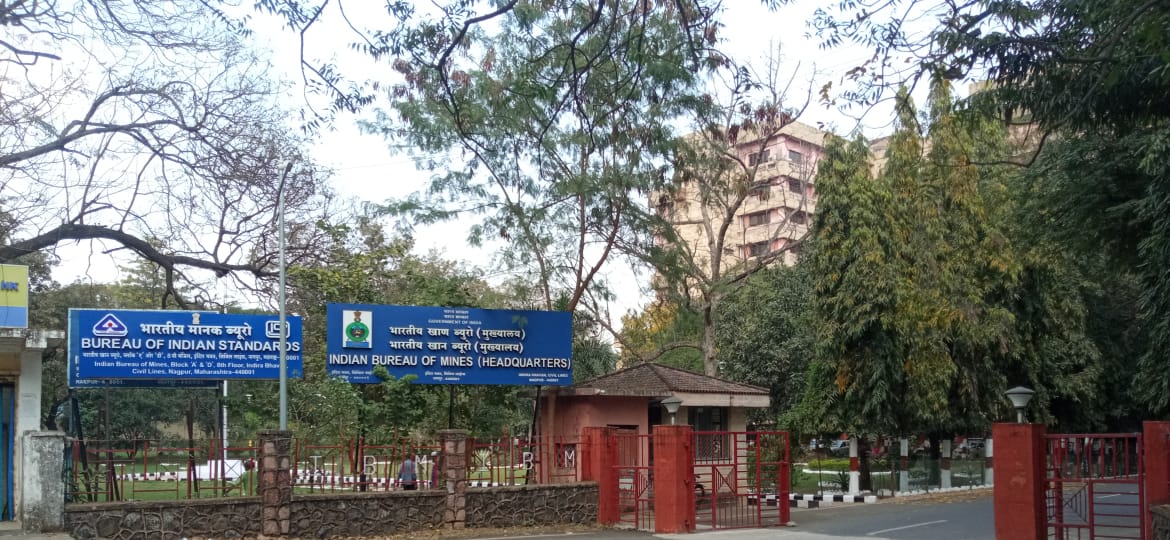
Community Seed Banks (CSBs) in India now have a new management framework thanks to the publication of IS 20201:2026 by the Bureau of Indian Standards (BIS). In light of the growing number of climate-related threats, the initiative’s stated goals are to encourage the preservation of indigenous seed types, fortify agricultural resilience, and ensure food security for the future.
Farmers and communities may now systematically gather, conserve, store, and trade high-quality seeds that are adapted to their specific regions thanks to the newly-introduced standard, which offers a standardised operational procedure for community-led seed banks. Traditional seed varieties are becoming more useful as a resource because of their inherent drought tolerance, disease resistance, and nutritional benefits. This is because climate change is leading to unpredictable rainfall, higher temperatures, and longer droughts.
Agricultural biodiversity preservation and sustainable farming techniques are essential to Prime Minister Narendra Modi’s agenda, and IS 20201:2026 is in line with this goal. The norm is in line with other government programs, such the National Food Security and Nutrition Mission (NFSNM), which provides up to Rs 50 lakh in funding to help set up community seed banks. Biological Diversity Act of 2002 and Protection of Plant Varieties and Farmers’ Rights Act of 2001 both have their goals backed by this.
Over the course of a seed bank’s lifetime, the standard lays out specific standards. Among these are protocols for managing risks, collecting and acquiring seeds, cleaning, drying, storing, documenting, ensuring quality, regenerating seeds, and continuously improving the process.
Farmers can be empowered with reliable access to climate-resilient and regionally adapted seeds through standard-compliant Community Seed Banks, which operate as decentralised repositories of agricultural biodiversity. In addition to bolstering food systems at the community level, this helps small and marginal farmers maintain their livelihoods.
Rythu Sadhikara Samstha, the National Biodiversity Authority, the Protection of Plant Varieties and Farmers’ Rights Authority, the BAIF Development Research Foundation, and the ICAR-National Bureau of Plant Genetic Resources served as convenors and contributed to the development of the draft standard.
According to BIS, IS 20201:2026 is a free, downloadable standard for management systems that can be voluntary certified. A self-sufficient ecosystem centred on the preservation of indigenous seeds and sustainable agriculture can be achieved through the adoption of the framework by community seed banks, agricultural cooperatives, farmer groups, and other interested parties.
Protecting India’s agricultural biodiversity and bolstering food security are two important goals of BIS’s implementation of IS 20201:2026. The program helps farmers adapt to changing weather patterns, maintain native seed types, and encourage sustainable farming methods by outlining best practices for community seed banks.
Disclaimer: All news articles are sourced through valid sources, and Business Unlimited (BU) doesn’t have any exclusive rights on these pieces. If BU features any exclusive story or article, it will be marked as Exclusive Story.