

India-Germany energy cooperation is set to deepen, with both countries reaffirming their commitment to energy security, low-carbon development and carbon markets.
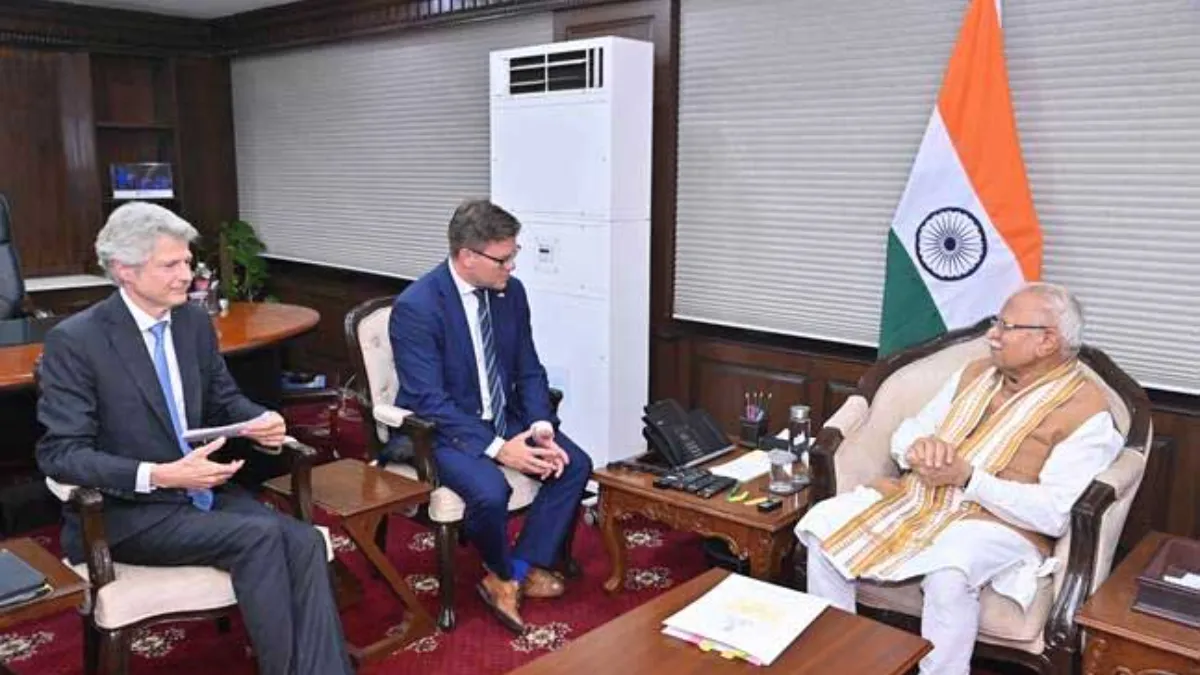
Union Minister for Power and Housing & Urban Affairs Manohar Lal held a bilateral meeting with German Federal Minister for the Environment, Nature Conservation, Climate Protection and Nuclear Safety Carsten Schneider in New Delhi.
India-Germany Discuss Energy Security
The two Ministers reviewed ongoing cooperation and discussed opportunities to expand collaboration in the energy sector.
Key areas included energy security, electrification, low-carbon development, carbon markets and supply chain diversification.
Both sides exchanged views on existing initiatives and explored areas for greater engagement.
Focus on Low-Carbon Development
The discussions highlighted the close connection between energy security, low-carbon development and carbon markets.
India and Germany reaffirmed their shared commitment to building an energy future that is secure, affordable and sustainable.
Greater cooperation in these areas could support the countries’ climate and development objectives while addressing challenges linked to the global energy transition.
India-Germany Partnership Marks Key Milestones
The discussions come as India and Germany mark 75 years of diplomatic relations and 25 years of Strategic Partnership.
The bilateral relationship has expanded across economic, technological and environmental areas. Sustainable development and clean energy have emerged as important areas of cooperation.
India-Germany Energy Cooperation to Continue
Both countries emphasised the importance of international cooperation to advance clean energy goals and build resilient energy systems.
Collaboration on carbon markets and low-carbon technologies could support energy security, technological innovation and sustainable economic growth.
The latest meeting further strengthens India-Germany energy cooperation, with both sides expected to continue engagement on energy security, sustainability and long-term low-carbon development.
Source: Sarkaritel