


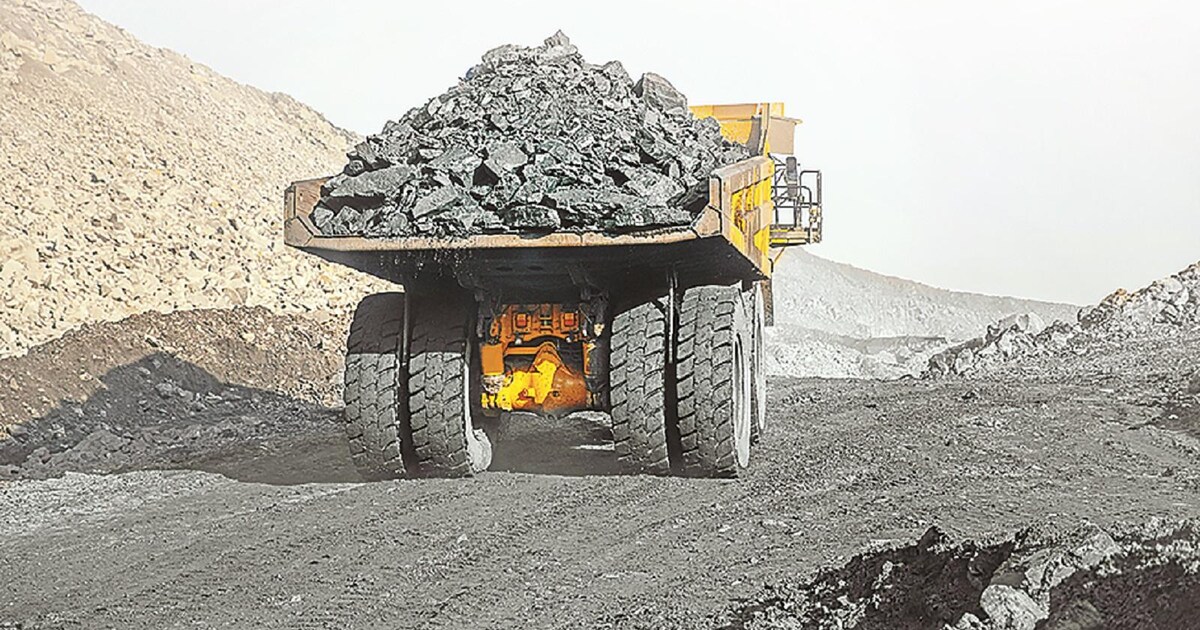
In June 2026, the captive and commercial coal mining sector in India maintained its impressive growth trajectory. Coal production increased 14.9% year-on-year to 17.88 million tonnes (MT), thanks to better operational efficiency, higher capacity utilisation, and continued government support.
There was a consistent supply of coal to power plants and businesses throughout June 2026, with coal dispatch from captive and commercial mines reaching 18.55 MT, according to the Ministry of Coal.
In June 2026, the domestic coal mining sector in India continued to expand, with production increasing from 15.56 MT in June 2025 to 17.88 MT in the following month.
The first quarter of FY2026-27 (April-June) saw a 5.35 percent increase in cumulative coal production from captive and commercial mines compared to the same period last fiscal year, and a 1.7 percent increase in coal dispatch, indicating that demand remained strong across important sectors.
Policy reforms, regulatory facilitation, operational improvements, and ongoing interaction with stakeholders have helped enhance mine productivity and boost production planning, according to the Ministry of Coal, who cited the sector’s strong performance.
There has been a steady increase in domestic coal output, with the sector recording a CAGR of around 10.7 percent in coal production between FY2024-25 and FY2026-27, according to the ministry.
Urtan, Dhirauli, and Bikram, three new coal mines, all started producing coal during the quarter, which was a big development. Coal production in India is greatly enhanced by these mines, which together have a Peak Rated Capacity (PRC) of 7.51 million tonnes per annum (MTPA).
The Urtan coal block is a coking coal mine, making it strategically important among them. Increasing domestic production of coking coal is anticipated to lessen India’s reliance on imported coking coal, fortify the steel industry’s raw material security, and enhance supply chain resilience. Coking coal is a crucial raw material for steel making.
According to the Ministry, the new mines will be operationalised soon, which will increase the supply of local coal, strengthen energy security, and meet the growing demand from industries such as cement, steel, and power.
In addition to bolstering India’s expanding economy, the government’s goal of increasing coal self-sufficiency, decreasing reliance on imports, and guaranteeing uninterrupted fuel supply is consistent with the ongoing expansion in coal production.
Image: BS
Disclaimer: All news articles are sourced through valid sources, and Business Unlimited (BU) doesn’t have any exclusive rights on these pieces. If BU features any exclusive story or article, it will be marked as Exclusive Story.