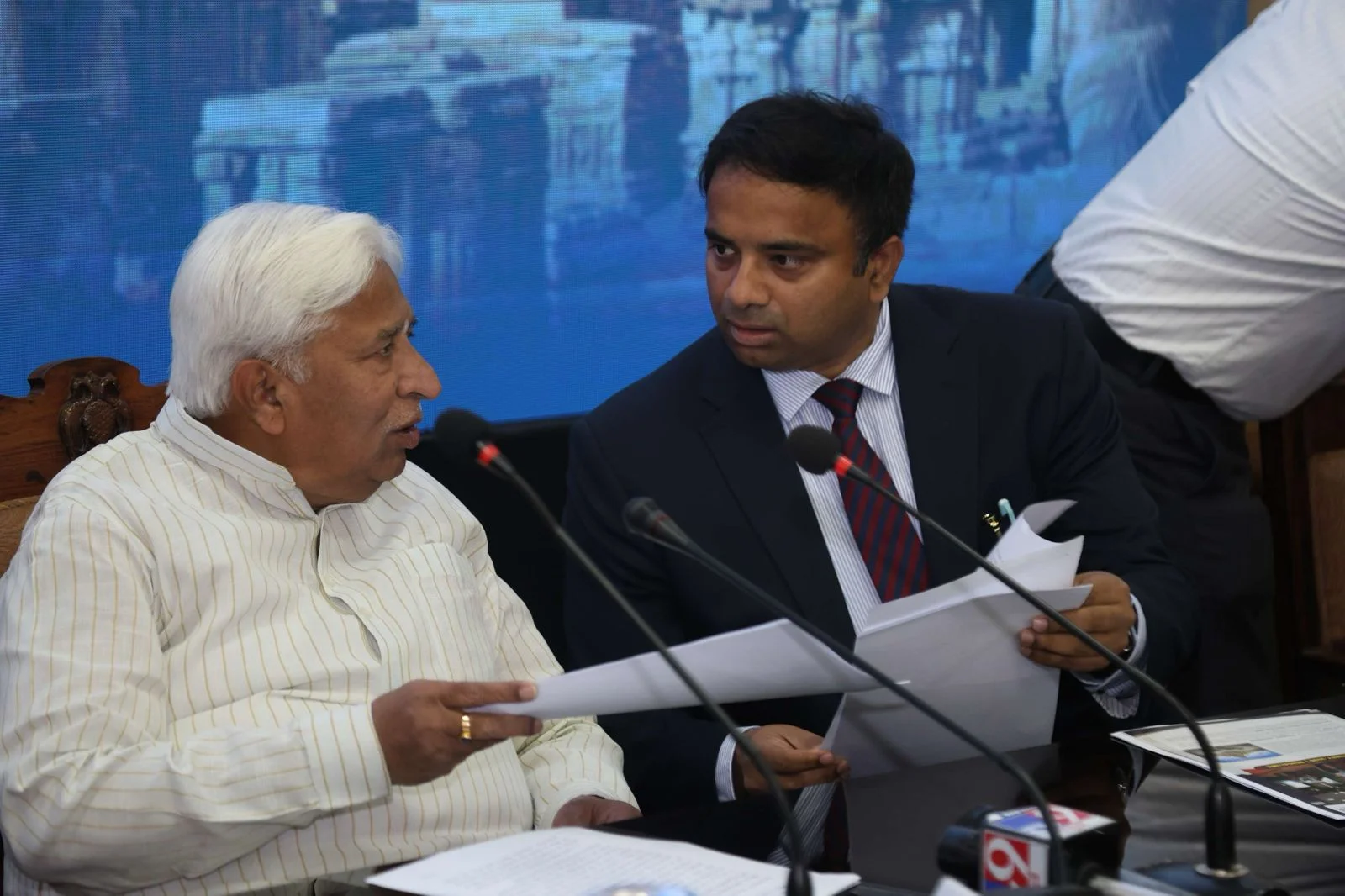


The second round of discussions between India and Canada has begun, with the goal of concluding the pact by the end of the year. The countries are seeking a bilateral free trade agreement. Taking place over the course of five days in New Delhi, the negotiations constitute a component of the proposed Comprehensive Economic Partnership Agreement (CEPA).
Piyush Goyal is expected to visit Canada later this month, and the two nations are planning to speed up their economic engagement and increase bilateral commerce to $50 billion by 2030. So, these talks are happening now.
After a period of strain in diplomatic ties, Narendra Modi and Mark Carney met in New Delhi, marking a reset, and the first round of CEPA meetings took place in March.
In response to the leaders’ order to complete the deal within the year, officials noted that both parties are attempting to expedite the negotiations. Cooperation across sectors, particularly energy and essential minerals, is anticipated to be strengthened by the proposed trade framework.
At the present time, the value of bilateral commerce in goods is $8.66 billion (FY25), with $4.22 billion worth of commodities sent by India to Canada. Pharmaceuticals, engineering goods, textiles, diamonds, and jewellery are among the most important exports from Canada, while fertilisers, industrial raw materials, mineral fuels, and pulses are among the most important imports.
Digital and knowledge-based trade is becoming increasingly important in the bilateral relationship, with India’s IT sector continuing to be a major contributor to services exports.
It is believed that the CEPA will foster stronger trade integration and investment flows between the two countries, acting as an economic anchor in the long run.
Image: NDTV Profit
Disclaimer: All news articles are sourced through valid sources, and Business Unlimited (BU) doesn’t have any exclusive rights on these pieces. If BU features any exclusive story or article, it will be marked as Exclusive Story.