

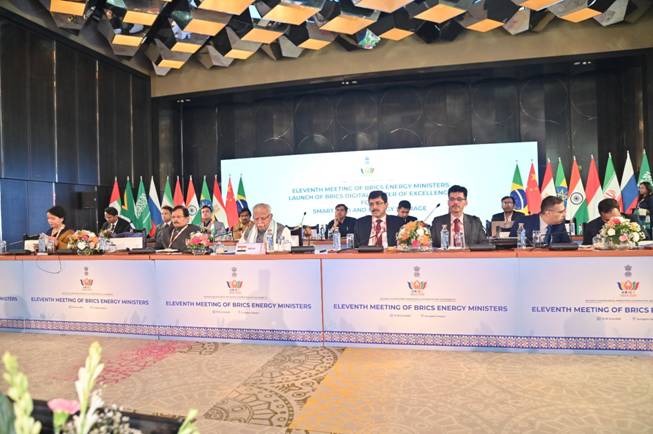
During its BRICS Chairship in 2026, India further solidified its position as a world leader in energy cooperation by organising and hosting the 11th BRICS Energy Ministers’ Meeting in Gurugram, Haryana. The gathering, which had the subject “Building for Resilience, Innovation, Cooperation and Sustainability,” gathered top officials, vice ministers, and energy ministers from the BRICS nations to deliberate on pressing energy issues and potential solutions on a global scale.
The Energy Track topic “सर्वेषां ऊर्जर् (Energy for All)” served as a compass for the discussions, which reflected a common aim of guaranteeing accessible, cheap, sustainable, and inclusive energy for everyone.
Representing the increasing significance of multilateral cooperation in achieving global energy transition objectives, the meeting was graced with the presence of esteemed international organisations such as the International Solar Alliance (ISA), the Global Biofuels Alliance (GBA), and the New Development Bank (NDB).
As part of the BRICS Energy Research Cooperation Platform (ERCP), the BRICS Digital Centre of Excellence for Smart Grids and Energy Storage was launched during India’s BRICS Presidency. This was a big accomplishment for the country. In the realm of smart grids, energy storage, and digital energy systems, the BRICS nations are anticipated to work together through the Centre to create capacity, share policies, and conduct pilot projects.
At the end of the meeting, the 11th BRICS Energy Ministers’ Joint Communiqué was adopted. It embodies the shared goal of the BRICS nations to enhance collaboration in areas such as energy security, sustainability, innovation, infrastructure resilience, and capacity building. Resilient energy systems, diverse energy sources, essential minerals, resilient supply chains, modernised grids, energy storage, and affordable energy access are all parts of energy security and sustainability.
Clean cooking solutions, accessible finance, capacity development, assistance for developing nations, and universal access to inexpensive, dependable, and sustainable energy are all parts of the larger goal of energy access and equity.
Innovative and technological developments, with an emphasis on smart grids, AI, energy storage, biofuels, digitisation, carbon capture technology, and cross-institutional research.
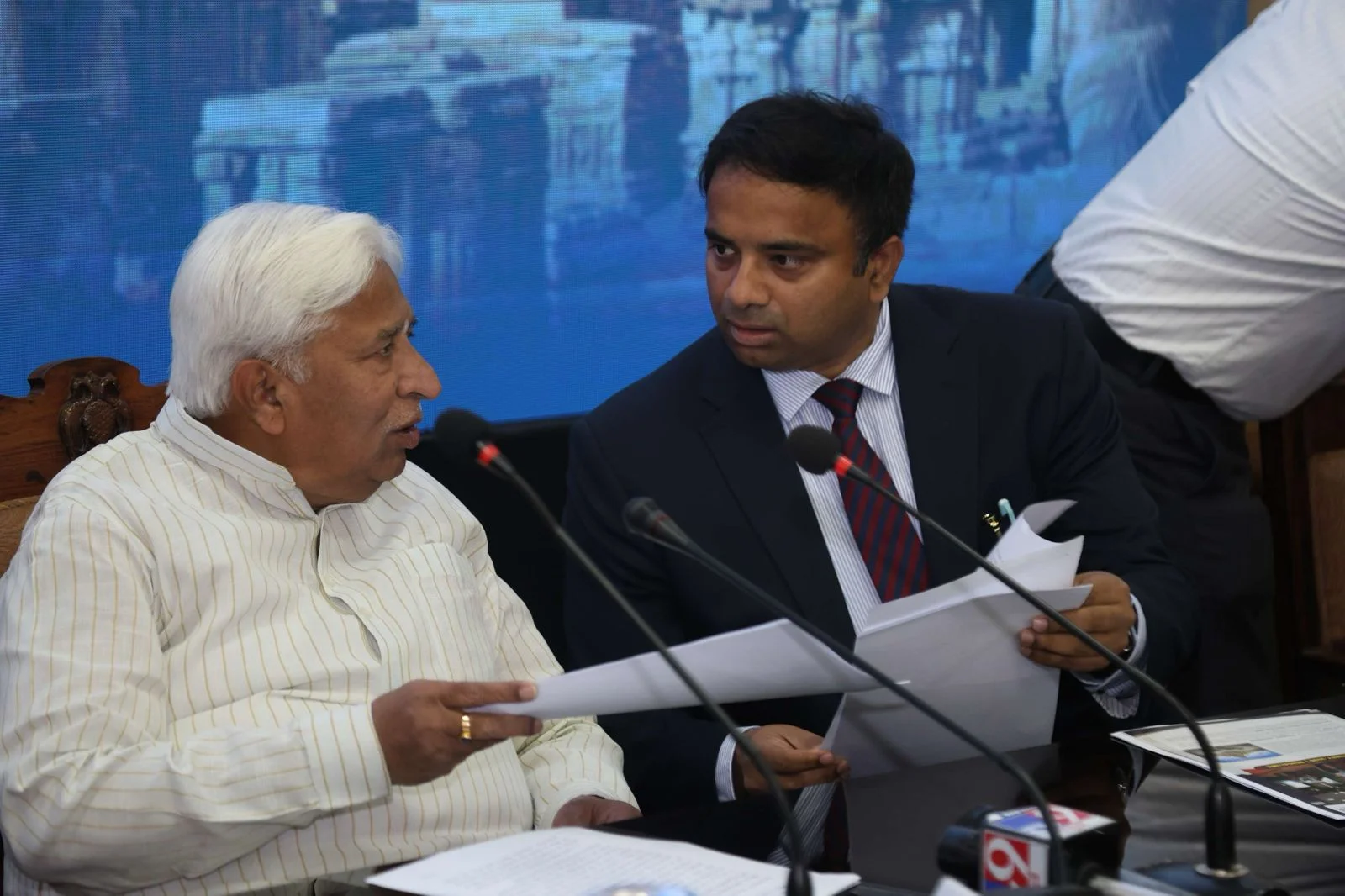
Recognising that nations need leeway to achieve sustainable development goals, the BRICS Energy Ministers restated the significance of respecting national situations, development objectives, and energy transition pathways. During his speech at the ministerial conference, Manohar Lal, India’s Union Minister of Power and Housing and Urban Affairs, praised the country’s extraordinary energy revolution in the last decade.
With an established power generation capacity of about 540 GW, India has surpassed all but two countries in terms of energy consumption and production, he said. An important indicator of India’s dedication to expanding clean energy is the fact that over half of the country’s installed capacity presently originates from non-fossil fuel sources.
Installed solar capacity in India will increase from about 3 GW in 2014 to more than 154 GW in 2026, a statistic that the minister emphasised. He went on to highlight the achievements of major programs like the Prime Minister’s Surya Ghar: Muft Bijli Yojana, which is encouraging more people to install solar panels on their homes and other buildings and getting them involved in the clean energy revolution.
In addition, India’s energy goals for the future were detailed, including a 100 GW nuclear power capacity by 2047 and 400 GWh of energy storage capacity by 2032. The Minister also took note of India’s leading position in global projects like the International Solar Alliance and the fact that the country has achieved 20% ethanol blending ahead of schedule. In addition to establishing the Digital Centre of Excellence, the BRICS nations have recognised the significance of modern, digitally enabled electrical networks in integrating renewable energy sources and guaranteeing a consistent supply of electricity by adopting the BRICS Guiding Principles on Smart Grids and Energy Storage.
With an eye toward enhancing collaboration on hydrogen technology, standards, industrial uses, and future hydrogen ecosystems, the BRICS Joint Report on Hydrogen Value Chains 2026 is being finalised, which the Ministers have also praised.
An other noteworthy result was the approval of revised Terms of Reference for the BRICS Energy Research Cooperation Platform (ERCP). These will enhance member nations’ capacity to work together on research, technical assistance, and information exchange.
Clean coal technologies and raising electrical appliance standards were two of the side events planned by India’s Chairship, which allowed politicians, business leaders, and energy stakeholders to network and share ideas.
Image: PIB
Disclaimer: All news articles are sourced through valid sources, and Business Unlimited (BU) doesn’t have any exclusive rights on these pieces. If BU features any exclusive story or article, it will be marked as Exclusive Story.