

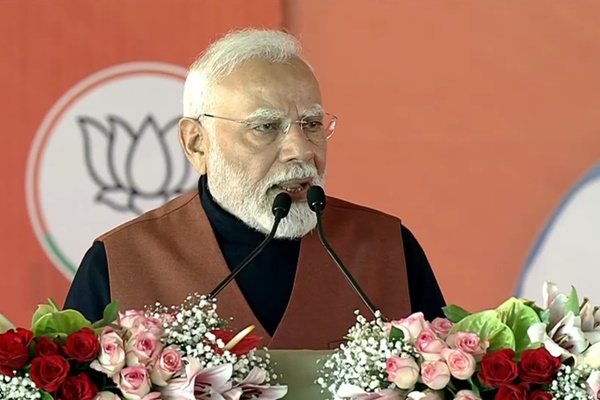
On World Homoeopathy Day, Prime Minister Narendra Modi praised homoeopathy for its growing influence in Indian healthcare and for the holistic approach to wellness it promotes, with an emphasis on the individual patient.
Homoeopathy, according to the Prime Minister, has developed into a vital part of India’s diverse health system, thanks to active community participation and a long-term strategy for patient care that is in line with the “Viksit Bharat” goal. This is based on an article by Ayush Minister Prataprao Jadhav.
The government emphasised the increasing popularity of homoeopathy, both at home and abroad, especially in public health and community healthcare settings. Increased access, evidence-based practices, and integration into national health programs have been the focal points of policy initiatives aimed at broadening its reach.
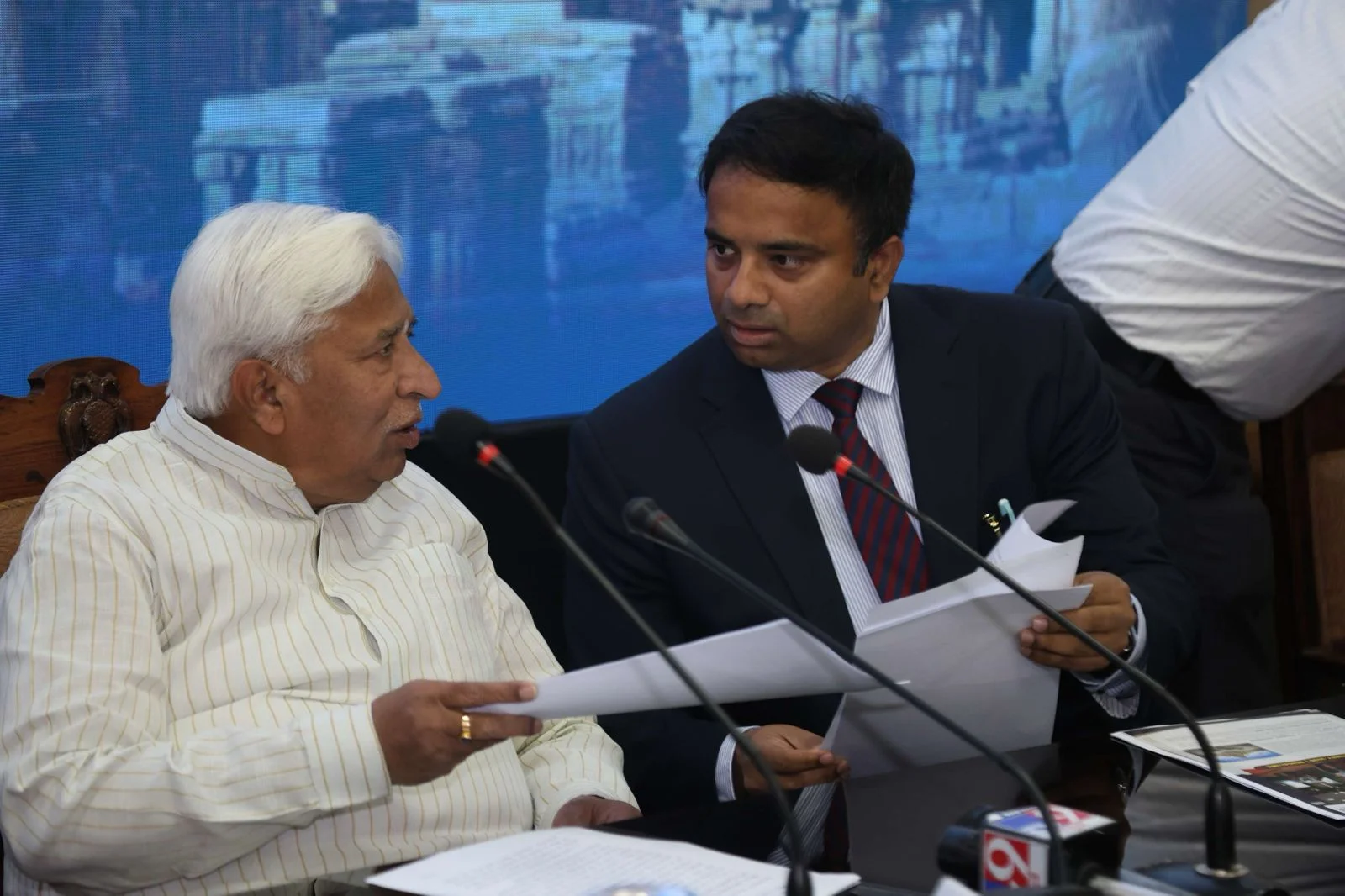
With their common focus on nature-based, patient-centered care, ancient systems like Ayurveda, Siddha, Unani, and homoeopathy complement one another, as pointed out by Ayush Secretary Rajesh Kotecha. He went on to say that homoeopathy has been useful in addressing infectious and chronic disorders, even during the COVID-19 epidemic.
Projects like ‘Aura’ and ‘AYUSH ID,’ which are tech-driven, are making the industry even more accessible, transparent, and efficient in terms of delivery.
Homoeopathy, which emerged in India in the early 1800s, is now an important part of the country’s alternative medicine landscape. The country’s size and depth of institutions are reflected in its present roster of 3.45 lakh registered practitioners, more than 8,500 dispensaries, 277 educational institutions, and 34 research centers.
The growing popularity of homoeopathy in India highlights the way it contributes to a more diverse healthcare system and helps with wellness and preventative initiatives.