

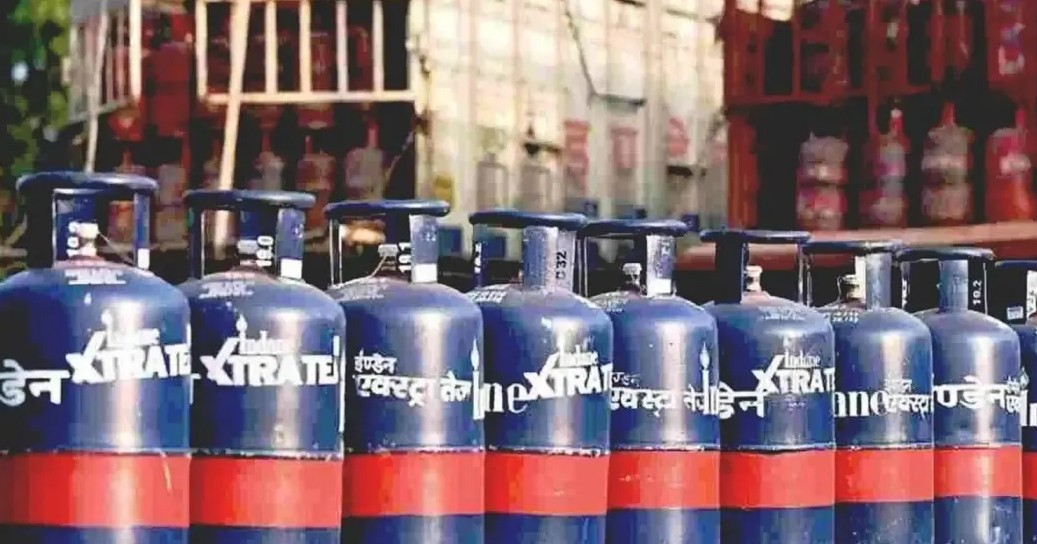
In a move to hasten the switch from liquid petroleum gas (LPG) to piped natural gas (PNG), the federal government introduced legislation on Wednesday that would allocate an extra 10% of commercial LPG to states and union territories.
To maintain supply stability, LPG output has jumped by almost 40%, and all domestic refineries are running at high capacity, with sufficient crude inventories, according to the Ministry of Petroleum and Natural Gas. Additionally, the ministry reaffirmed that India does not need to import petrol or diesel to satisfy domestic demand.
No “dry-outs” have been observed at distributor outlets, and LPG distribution has not been interrupted. Online LPG bookings increased from 83% to 93% and delivery authentication code (DAC) coverage increased from 53% in February to about 81%, demonstrating a considerable improvement in digital adoption that has improved transparency and reduced diversion.
The government has also provided states and UTs with an extra 48,000 kilolitres of kerosene to use as a substitute for LPG in order to reduce demand for this fuel. Citizens have been advised to avoid panic buying as fuel supplies remain adequate.
Full gas supply is still going to priority sectors like home PNG and CNG transport, while commercial and industrial users are being regulated to get roughly 80% of the gas supply. Authorised municipal gas distribution networks are promoting the transfer to PNG connections for commercial LPG consumers, including hotels, restaurants, hospitals and hostels.
To encourage the use of PNG, several major city gas distributors are providing incentives, such as Indraprastha Gas Limited, Mahanagar Gas Limited, GAIL Gas Limited, and Bharat Petroleum Corporation Limited.
To encourage the use of cleaner fuels and guarantee a steady supply to essential industries like cold storage and food processing, the government is also extending the municipal gas distribution network.