

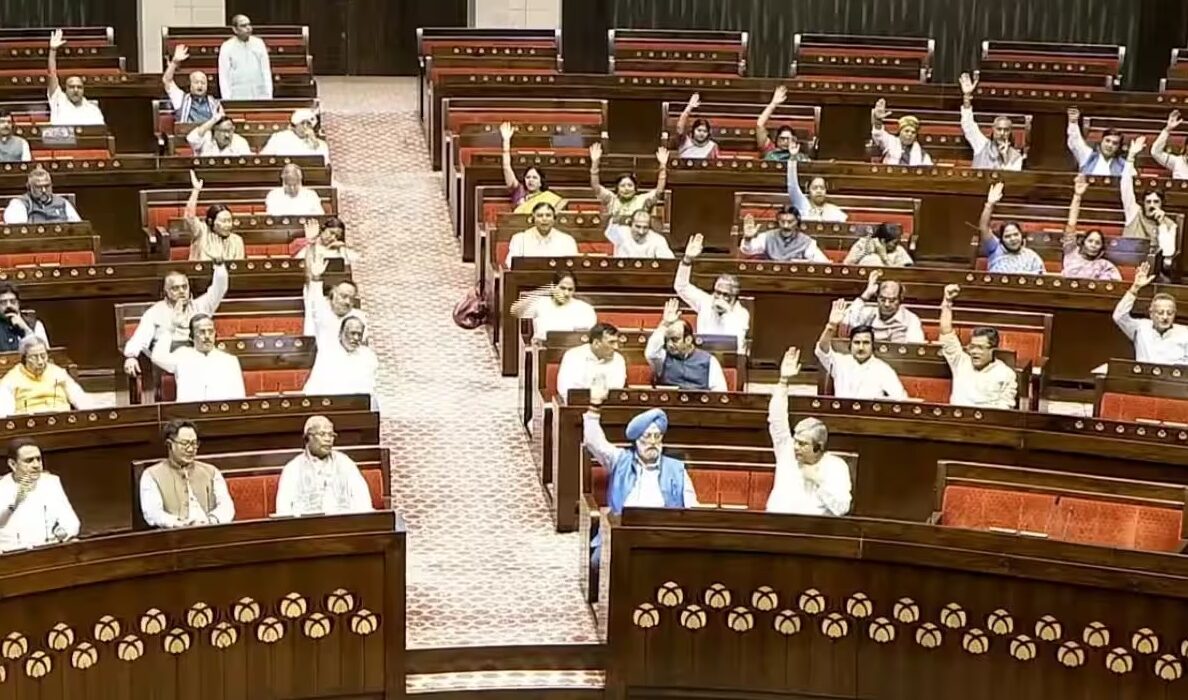
Faster payments to MSMEs through mandatory invoice routing on the Trade Receivables Discounting System (TReDS), time-bound dispute resolution, and stronger enforcement of payment awards are all provisions of the Micro, Small and Medium Enterprises Development (Amendment) Bill, 2026, which was passed by the Rajya Sabha on Monday.
The proposal aims to reform the MSME Development Act, 2006 in order to make it easier for small firms to get capital, speed up payments from public sector customers, digitise compliance processes, and simplify arbitration and mediation. Additionally, it substitutes monetary fines and warnings for criminal sanctions, decriminalising certain procedural infractions.
All Central Public Sector Enterprises (CPSEs) are mandated by the Bill to use RBI-authorized TReDS platforms to settle invoices for procurement from MSMEs. Additionally, the law gives states the authority to provide comparable protections to their own public sector companies. The goal of the initiative is to help micro, small, and medium-sized enterprises (MSMEs) with their cash flow by addressing a long-standing issue: slow receivables financing and excessive invoice payment delays.
For the purpose of settling payment disputes involving MSMEs, the Bill establishes statutory deadlines. Within 90 days after the pleadings are finished, arbitration awards must be rendered and mediation proceedings must be finished. As an added bonus, it opens the door for online mediation and arbitration, bringing the resolution of disputes into the digital realm.
The law establishes a tool to bolster recovery methods by allowing the recovery of mediated settlement agreements and arbitral awards as arrears of land revenue. As a matter of law, the Insolvency and Bankruptcy Code will acknowledge such awards as debt. If a buyer’s appeal to an award takes more than six months, the bill states that the court must release half of the deposited cash to the MSME supplier. The buyer is required to deposit 75% of the awarded amount.
Image: ET