


Another key step towards improving railway safety, reliability, and operational efficiency across one of the busiest rail networks in the country has been approved—a ₹405 crore signalling upgrading project on Eastern Railway—by Indian Railways. Situated on HDN and HUN routes, 32 stations and signalling points will have their outdated relay-based interlocking systems upgraded to state-of-the-art Electronic Interlocking (EI) technology as part of this project.
The authorised project entails the replacement of signalling systems at twenty-five stations, including seven Intermediate Block Signalling (IBS) locations and twenty-five Panel Interlocking (PI) and Route Relay Interlocking (RRI) stations. The smooth running of rail operations in eastern India depends on these routes, which carry a large amount of goods and passengers.
This project is a part of Indian Railways’ larger plan to modernise their infrastructure. The program’s goals include making the network’s signalling systems better, making safety measures stronger, and making train operations more reliable. When it comes to railway safety and operational performance, modern signalling is a cornerstone.
Many of the current installations along these routes are still running on outdated technology that relies on relays. Problems with non-segregation of clean and unclean wire, insufficient earthing systems, antiquated power supply arrangements, and signalling device wear and tear are all consequences of such systems’ reliance on an ageing infrastructure. There will be more frequent signal failures and more maintenance needs as a result of these causes.
In order to tackle these issues, the Indian Railways will implement cutting-edge Electronic Interlocking systems. These systems utilise digital technology to more precisely and reliably handle train movements. The reliability of railway operations is greatly improved by electronic interlocking, which also increases safety by doing away with many of the drawbacks of traditional relay-based systems.
The capacity to speed up fault detection and restoration and decrease signalling failures is a key benefit of electronic interlocking technology. By making it easier to find and fix operational problems faster, the technology enhances availability and makes train movement smoother. There will be less interference and better train punctuality as a result of this.
Some of India’s busiest train lines will be able to accommodate freight and passenger traffic thanks to the upgraded signalling infrastructure. The train industry can better manage growing traffic levels without compromising safety if it can increase operating efficiency and dependability.
For these technologies to work on dense routes, the signalling infrastructure needs to be contemporary and strong.
To keep up with the needs of its passengers and freight customers, Indian Railways is modernising its basic infrastructure with rising expenditures in safety and digital transformation.
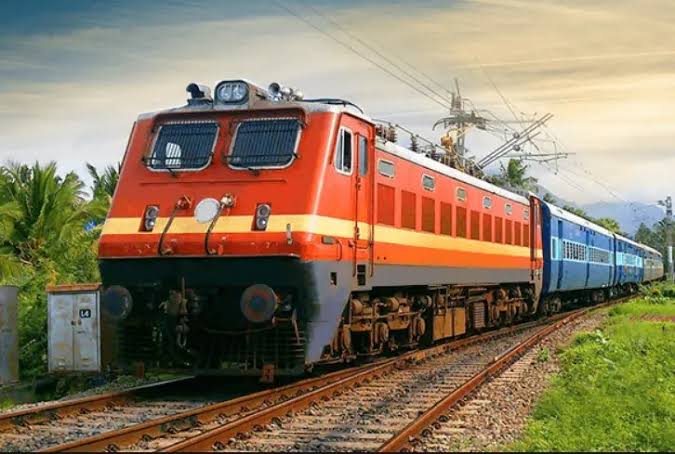
Image: News on Air
Disclaimer: All news articles are sourced through valid sources, and Business Unlimited (BU) doesn’t have any exclusive rights on these pieces. If BU features any exclusive story or article, it will be marked as Exclusive Story.