


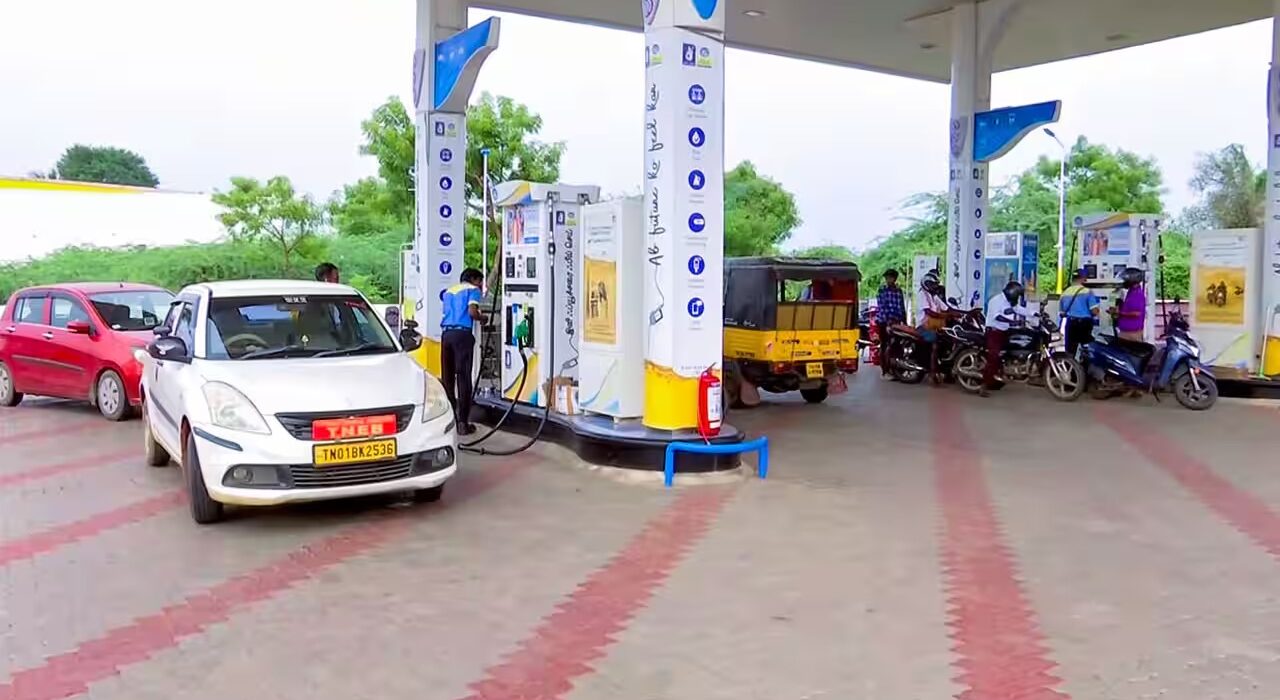
Motorists may rest assured that their insurance coverage will not be impacted by the usage of E20 fuel, as the Indian government has strongly denied assertions made on social media to that effect.
The PIB Fact Check team said on its official fact-checking platform that the claim going around is false and that people shouldn’t be led astray by unproven claims.
Insurance companies may reject claims or withhold coverage for vehicles using E20 petrol, according to multiple social media posts. This clarification follows those claims.
The government has denied these accusations and has stated that using E20 fuel does not affect the settlement of insurance claims or the validity of vehicle insurance coverage.
According to the PIB Fact Check section, drivers shouldn’t worry about their insurance coverage if they keep using fuels that include allowed amounts of ethanol.
The government has also asked people to check fuel and policy-related claims through official channels before posting them online.
In an effort to combat the propagation of disinformation, authorities have called on the public to report anything that they believe to be deceptive or questionable.
Given that India’s energy transformation strategy includes an ever-expanding ethanol blending scheme, the clarification takes on more importance.
E20 fuel is now available nationwide in India, thanks to the country’s ethanol blending strategy, which has made significant success, according to a recent Indian report by KPMG.
Opportunities and constraints, such as feedstock availability, supply chain efficiency, infrastructure preparation, and policy coordination, were underlined in the research in relation to advancing beyond E20 blending levels.
The goals of the government’s ethanol program include decreasing reliance on foreign crude oil, increasing energy independence, helping farmers, and decreasing emissions of carbon dioxide from vehicles.
As part of its biofuel strategy, India produces E20 fuel, which is a mixture of 20% ethanol and petrol.
The adoption of cleaner and more sustainable transport fuels is being accelerated in India, which has already achieved its ethanol blending targets ahead of schedule.
Another noteworthy event occurred on World Environment Day 2026 when, as part of a gradual national rollout, the government introduced E85 fuel at an IndianOil retail location.
E85 fuel is specifically made for flex-fuel vehicles that can handle a greater concentration of ethanol.
There are 48 retail locations that sell E85 fuel that are run by public sector oil marketing companies.
E85 will be available at 500 stores by the end of 2026 and around 5,000 outlets by the end of 2027, according to government plans.
Fuel import bills, local energy resiliency, and India’s environmental sustainability goals can all be alleviated, according to officials, by increasing the use of ethanol-blended fuels.
Vehicle owners should rest easy knowing that the PIB has clarified the situation once again, which should encourage consumers to keep faith in the growing biofuel industry in the country.
With the government’s explanation, questions about E20 fuel and auto insurance are no longer raised. As India moves forwards with its goals of clean energy, energy security, and sustainable mobility, consumers may confidently embrace ethanol-blended fuels, as the PIB Fact Check section has confirmed that insurance plans are still valid for vehicles utilising E20 petrol.
Image: Zee News
Disclaimer: All news articles are sourced through valid sources, and Business Unlimited (BU) doesn’t have any exclusive rights on these pieces. If BU features any exclusive story or article, it will be marked as Exclusive Story.