

Geothermal energy is emerging as a new opportunity for India’s clean energy sector. The commissioning of the country’s first two geothermal wells in Ladakh marks an important step towards commercialising this resource. India has an estimated 10.6 GW of theoretical geothermal potential, creating scope for future power generation, industrial applications and clean energy investment.
Key Highlights
- India commissioned its first two geothermal wells in Puga Valley, Ladakh, in July 2026.
- The wells will support the proposed 1 MW geothermal power demonstration project.
- India notified its National Policy on Geothermal Energy in September 2025.
- India has an estimated 10.6 GW of theoretical geothermal potential.
- Geothermal energy can support power generation and direct-heat applications across several industries.
Geothermal Energy Opens New Market Potential
India is expanding its renewable energy portfolio beyond solar and wind. Geothermal energy could become another important source of reliable clean power.
Unlike intermittent renewable sources, geothermal power can operate around the clock. It uses heat from beneath the Earth’s surface to generate electricity or provide direct heat.
This reliability could create opportunities for industries seeking stable, low-carbon energy solutions. It could also support India’s broader clean energy transition and Net Zero by 2070 target.
Ladakh Wells Support 1 MW Demonstration Project
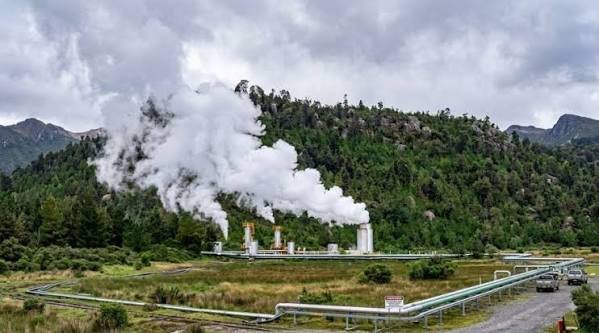
The ONGC Energy Centre commissioned two geothermal wells in July 2026 at Puga Valley in Ladakh. Each well has a depth of around 1,000 metres.
The project will help assess the geothermal reservoir and its commercial potential. The wells will also support the proposed 1 MW geothermal power demonstration project.
The development is an important step towards testing geothermal power generation at a commercial scale in India.
Policy Framework Supports Geothermal Development
India notified its National Policy on Geothermal Energy in September 2025. The policy provides a framework for exploring and developing the country’s geothermal resources.
The Ministry of New and Renewable Energy is the nodal ministry for implementing the policy.
A clear policy framework can support further exploration, technology deployment and private-sector participation. It can also help create a more structured environment for future geothermal projects and investments.
Geothermal Energy Has Multiple Business Applications
The opportunity extends beyond electricity generation. Geothermal resources can provide direct heat for several commercial applications.
These include agriculture, aquaculture, district heating, and space heating and cooling. Such applications could create new opportunities for businesses operating in energy-intensive sectors.
Geothermal systems can also use underground heat and water more efficiently through reinjection. This can help support long-term resource management and continuous energy production.
India Has Significant Geothermal Potential
India’s geological diversity provides a strong base for geothermal development. The Geological Survey of India has mapped 381 hot springs and identified 10 geothermal provinces across the country.
The country’s theoretical geothermal potential is estimated at nearly 10,600 MW. Around 42 sites have been identified as promising for power generation and direct-heat applications.
The identified geothermal provinces include the Himalayas, Naga-Lusai, Andaman and Nicobar Islands, SONATA, Cambay Graben, West Coast, Aravalli, Mahanadi, Godavari and South Indian Cratonic regions.
Investment and Industry Opportunities Could Grow
The development of geothermal projects could create opportunities across the energy value chain. These could include exploration, drilling, equipment manufacturing, engineering services, project development and technology solutions.
As pilot projects progress, greater participation from technology providers and private-sector companies could help build a domestic geothermal ecosystem.
International collaboration could also support technology transfer and technical expertise as India moves towards larger-scale geothermal projects.
Geothermal Energy Gains Strategic Importance
India’s first geothermal wells mark an early but significant step in developing a new clean energy resource. The combination of policy support, identified geothermal sites and pilot projects could help accelerate the sector.
For businesses and investors, the development offers a potential new segment within India’s growing clean energy market. If demonstration projects prove commercially viable, geothermal energy could gain a larger role in India’s renewable energy and industrial landscape.
Source: Sarkaritel