

Assam, Bihar and West Bengal highlighted investment opportunities, industrial growth and infrastructure at the ICC Global Business Summit 2026 as eastern India seeks a larger role in India’s economic expansion.
Assam, Bihar and West Bengal made a joint pitch for eastern India investment at the ICC Global Business Summit 2026 in New Delhi.
The states highlighted industrial growth, infrastructure, manufacturing and policy reforms. They also outlined measures to attract fresh investment and strengthen their role in India’s next phase of economic growth.
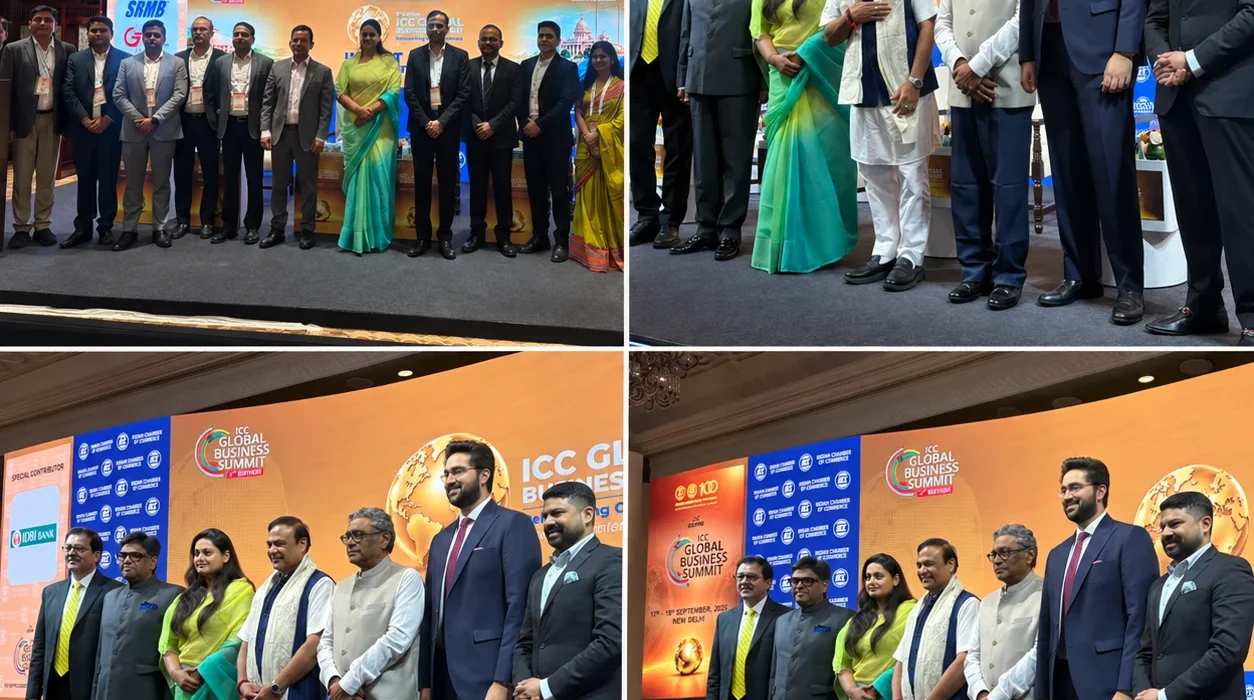
The inaugural session was held at Taj Palace, New Delhi, under the theme “Reinventing Global Business: Growth, Risk & Resilience”. Senior political leaders from the three states discussed the economic potential of eastern and northeastern India.
Eastern India Investment: Assam Highlights Growth
Assam Chief Minister Dr Himanta Biswa Sarma positioned the state as a key beneficiary of the Purvodaya initiative. The initiative aims to develop eastern and northeastern India as an engine of national growth.
Sarma said Assam’s nominal GSDP is estimated at ₹7.45 lakh crore in 2025-26. He said real growth is above 10%. The state’s GSDP is projected to reach ₹8.71 lakh crore in 2026-27.
According to Sarma, industry accounts for 35.54% of Assam’s GSVA at current prices. He cited Reserve Bank of India data while highlighting the state’s growth trajectory.
A major focus of his address was converting investment commitments into projects.
Sarma said the Advantage Assam 2.0 summit generated investment commitments of ₹5.18 lakh crore. Projects worth around ₹3.5 lakh crore, he said, had moved to the ground within a year.
Since May 2021, more than 3,700 new factories have been registered in Assam. These units represent nearly 1.11 lakh factory jobs, according to Sarma.
He also said the state’s single-window clearance system has processed more than 2.5 million approvals.
Major Projects Support Assam’s Investment Push
Sarma highlighted Tata Electronics’ ₹27,000-crore semiconductor assembly and test facility as one of Assam’s major investments.
He said the facility is expected to be commissioned in December. It is expected to have the capacity to produce up to 48 million chips a day and generate more than 27,000 direct and indirect jobs.
Sarma also referred to PepsiCo’s recently commissioned food manufacturing facility in Assam.
Infrastructure remains another key part of the state’s investment strategy.
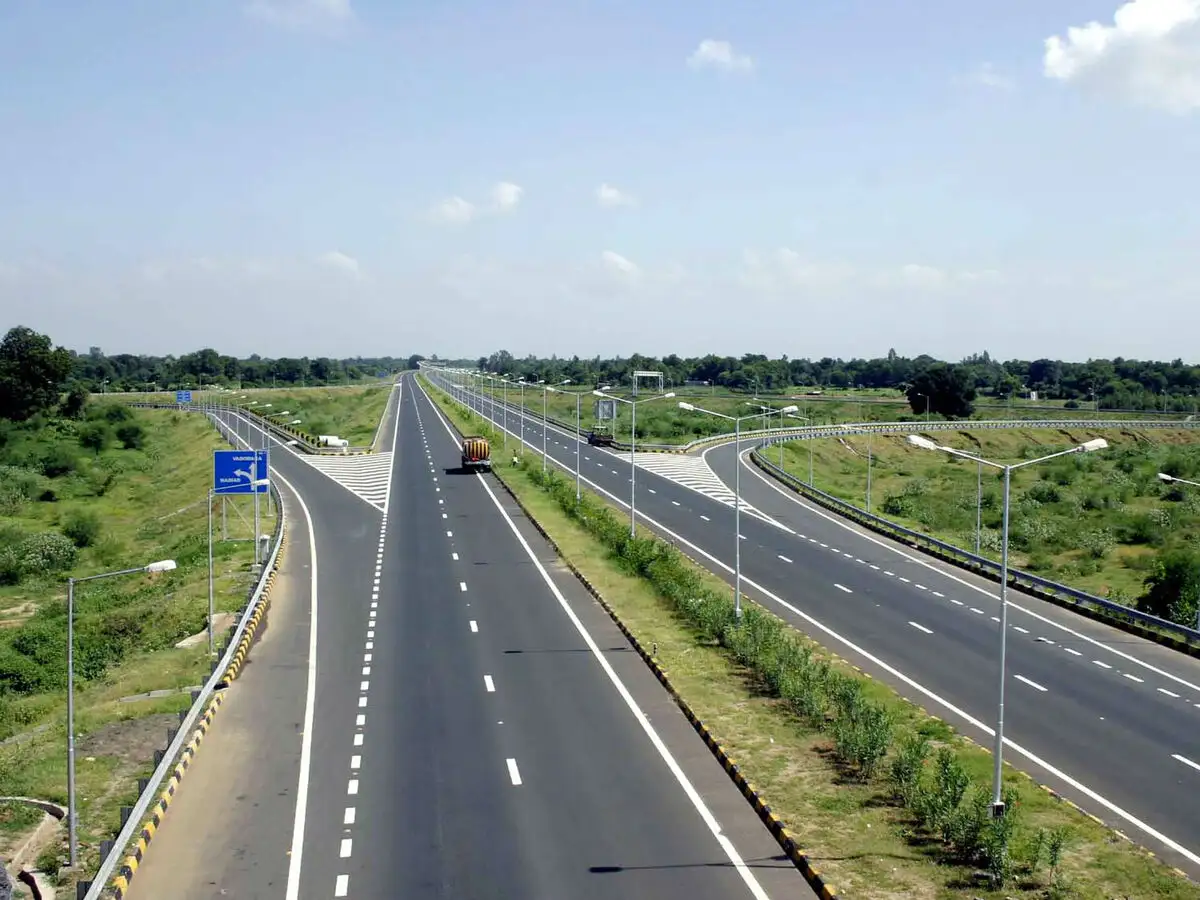
Sarma highlighted seven operational airports, expanding aviation capacity in Guwahati and multimodal logistics infrastructure. These include the Jogighopa logistics park and the Brahmaputra as a navigable economic corridor.
He also outlined plans to develop 6,000 MW of renewable energy capacity by 2030.
Sarma cited the export of Assam-grown matcha to Japan as an example of efforts to connect local production with international markets.
West Bengal Seeks Faster Economic Growth
West Bengal Finance Minister Dr Swapan Dasgupta said the state needs to accelerate its economic development.
He said Bengal had lost economic momentum over several decades. He referred to capital flight, political turbulence and a prolonged slowdown in industrial growth.
Dasgupta also compared Bengal’s economic position with other eastern states.
“Bengal needs to catch up to Bihar. Bengal needs to catch up to Odisha. Bengal needs to catch up to Assam,” he said.
He highlighted West Bengal’s geographical position as a gateway to Assam and the Northeast.
Dasgupta called for greater cooperation among eastern states in areas such as tea, power and education. He also pointed to plans for an education city and the development of a medical tourism ecosystem.
He said policy predictability remains an important requirement for investors.
Bihar Highlights Investment Growth
Bihar Industry Minister Shreyasi Singh highlighted the state’s efforts to attract investment and change perceptions about its business environment.
Singh said Bihar attracted direct on-ground investment of around ₹50,000 crore in 2023. The figure increased to ₹1.81 lakh crore in 2024, she said.
The state is targeting more than ₹5 lakh crore in investment in 2026, according to Singh.
She cited the example of a manufacturer from Maharashtra that relocated operations to Bihar within 55 days. The company subsequently expanded from 150 machines to more than 7,500, she said.
Singh also highlighted Bihar’s export potential. She pointed to companies such as Pearl Global and traditional products such as makhana and sattu reaching international markets.
She described competition among Bihar, Assam, West Bengal and other states as “healthy competition”. According to Singh, stronger state economies can collectively contribute to the Viksit Bharat 2047 vision.
Eastern India Investment Gains Industry Focus
ICC President Brij Bhushan Agarwal, CMD of Shyam Metalics & Energy Ltd, said the participation of political and business leaders reflected the growing importance of government-industry cooperation.
He said stronger industry-government partnerships can support the next phase of economic growth.
The focus on eastern India investment also has significance for the Indian Chamber of Commerce (ICC), which is headquartered in Kolkata and has a regional office in Guwahati.
The inaugural session also saw the exchange of three Memoranda of Understanding.
ICC signed an MoU with FINEST, an Italian organisation that supports the international expansion of Italian companies. FINEST President Luca Di Benedetto joined the exchange.
The partnership aims to facilitate connections between Indian companies and Italian businesses exploring opportunities in India.
Two additional MoUs were exchanged with the Harmonic Innovation Group and the Institute of Cost Accountants of India (ICMAI). The session also featured the ICC Global Business Awards.
Eastern States Pitch for Greater Investment
The discussions at the summit highlighted different approaches to eastern India investment.
Assam focused on industrial expansion, infrastructure and administrative responsiveness. Bihar highlighted the movement of investment commitments into operating businesses and factories.
West Bengal focused on its need to regain economic momentum while leveraging its geographical position and industrial base.
The broader Purvodaya initiative will depend on the ability of eastern states to convert investment interest into sustained projects, manufacturing capacity, infrastructure and employment.
The summit highlighted the region’s ambition to play a larger role in India’s industrial and economic expansion.