


A new framework to encourage biogas-powered compressed natural gas (CNG) vehicles is about to be established by India and Japan, solidifying their clean energy relationship. This would be a big step towards sustainable mobility and improved energy security.
During the forthcoming three-day visit of Japanese Prime Minister Sanae Takaichi to India, the two nations are reportedly slated to issue a Memorandum of Understanding (MoU), as reported in The Japan Times. The primary goal of the agreement is to increase the production and use of biogas, a transportation fuel derived from methane.
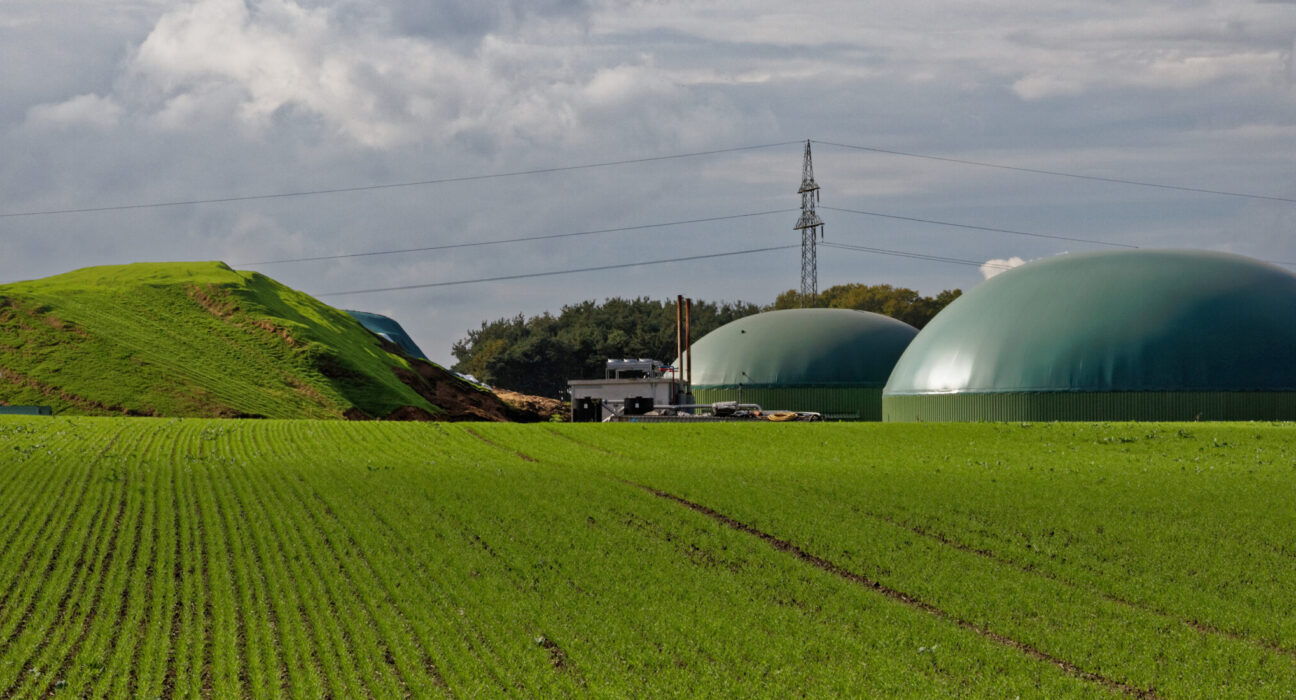
The two countries intend to work together to expand India’s methane production capacity to over 1,000 plants. Fermenting cow manure at these facilities will produce methane, which can be further processed into compressed biogas and utilised as fuel for CNG-powered vehicles.
This project bolsters the joint endeavours of the two nations to lessen their reliance on traditional fossil fuels and hasten the shift to cleaner modes of transportation.
The largest player in India’s passenger vehicle sector, Suzuki Motor Corporation, would be a crucial ally in the endeavour. The biogas generation projects in India have already been begun by the Japanese vehicle maker with financial aid from Japan’s Global South support program.
By incorporating renewable biogas into India’s transportation network, Suzuki is anticipated to play a significant role in increasing the utilisation of compressed natural gas (CNG) vehicles. For Indian customers, compressed natural gas (CNG) vehicles are a greener and more cost-effective transportation option, and the company has been pushing them hard.
Consumers’ increasing demand for cleaner, more affordable fuel choices is reflected in the fact that compressed natural gas (CNG) vehicles make up over 20% of new passenger vehicle sales in India, coinciding with the launch of the project. The CNG car industry has been steadily growing due to factors such as rising fuel prices, heightened environmental consciousness, and government backing for cleaner fuels.
To meet its ever-increasing energy demands, India is looking to diversify its energy mix away from its reliance on imported crude oil. Government efforts to promote domestically produced biogas are in line with larger goals of increasing energy security, decreasing reliance on imports, and bolstering rural development.
The construction of methane production plants is anticipated to open up new avenues of income for rural communities through the generation of renewable energy from agricultural waste and livestock residue. This program is in line with India’s current initiatives to support sustainable agriculture, a circular economy, and waste-to-energy solutions.
On her first official visit to India since taking office in October 2025, Japanese Prime Minister Sanae Takaichi is planned to undertake bilateral negotiations with Prime Minister Narendra Modi, during which the proposed accord is expected to play a key role.
This trip is an element of the ongoing “shuttle diplomacy” between Japan and India, which seeks to strengthen ties in the areas of clean energy, trade, technology, infrastructure, and security.
Topics to be covered include biogas cooperation, advanced manufacturing, green technology, investment, economic growth, supply chain resilience, and economic security.
As the geopolitical landscape in the Indo-Pacific region changes, Japan sees India as a key strategic partner and hopes to deepen their collaboration in sectors vital to the region’s economic sustainability and resilience.
Both Japan and India are committed to reducing carbon emissions and promoting sustainable economic growth, and the proposed biogas partnership would further strengthen their cooperation in these areas.
Image: Indian Biogas Association
Disclaimer: All news articles are sourced through valid sources, and Business Unlimited (BU) doesn’t have any exclusive rights on these pieces. If BU features any exclusive story or article, it will be marked as Exclusive Story.