

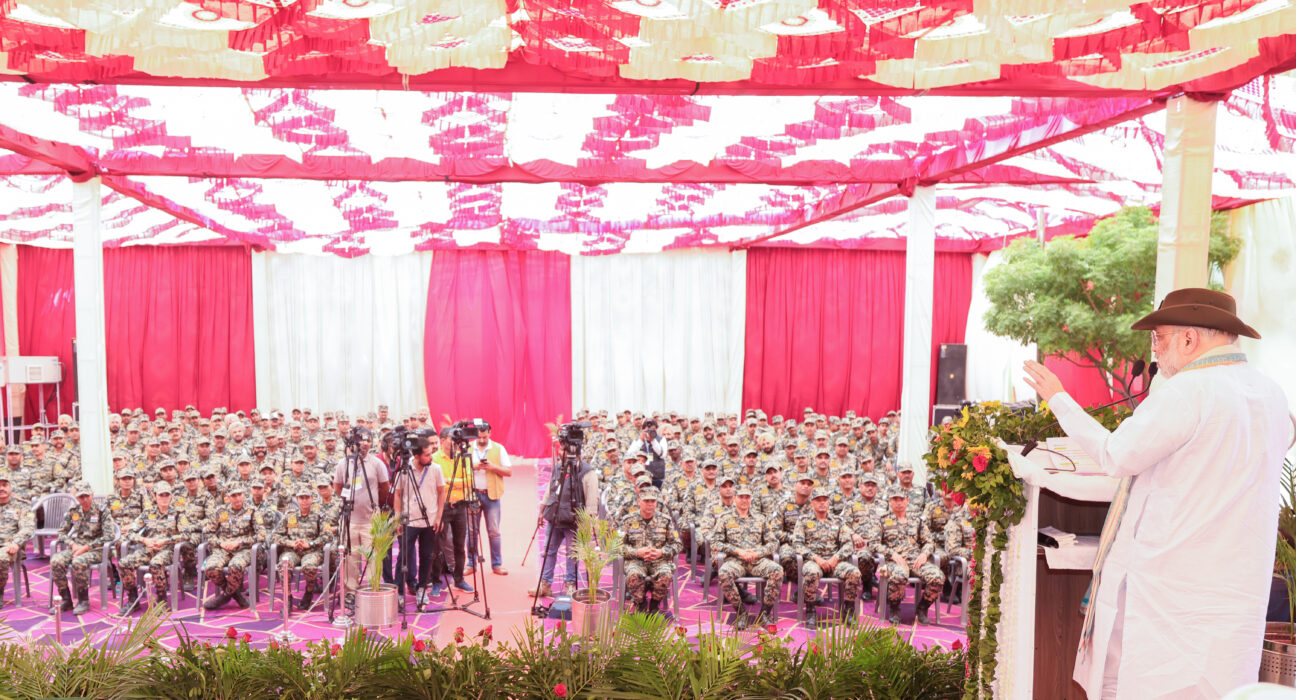
On Monday, Amit Shah, the Union Minister of Home Affairs and Minister of Cooperation, met with members of the Border Security Force (BSF) at the historic Sanchu Post in the Bikaner district of Rajasthan. The post is located along the international border between India and Pakistan. Shah also virtually inaugurated a new women’s barracks that will help improve facilities for female border personnel.
Chief Minister Bhajan Lal Sharma of Rajasthan, Union Minister Arjun Ram Meghwal, senior officials from the Home Ministry, and BSF leadership were all in attendance at the occasion.
Shah addressed the Border Security Force (BSF) and paid tribute to the almost 2,000 guards who had died protecting the country’s borders in the face of adversity. He emphasised that their bravery and commitment are still felt by the nation.
According to Shah, women are becoming more important in national security, and by 2030, all necessary facilities will be provided for female personnel serving at the border, highlighting the government’s efforts to create security forces that are inclusive of all genders.
According to him, out of the 79 women’s barracks that Rajasthan was given permission to build, 67 have been finished so far, with an estimated cost of about ₹39 crore. The event marked the inauguration of fourteen barracks. The cost of building 356 women’s barracks across BSF border areas is about 200 crore.
Shah stated that since 2014, there has been a significant shift in India’s security structure, with a focus on modernising the armed and border forces. Achieving zero infiltration through a “quadrilateral security grid” including BSF, armed forces, local administration, and border communities was highlighted, and the government’s goal of giving a forceful reaction to terrorism was reiterated.
The Home Minister spoke highly of the BSF, praising their performance during “Operation Sindoor,” noting that the force showed resolve and contributed to keeping morale up in border districts while successfully responding to cross-border threats.
Shah recalled the crucial role that Sanchu Post played in the 1965 India-Pakistan conflict and praised the valour of the security forces for keeping the area under Indian control. “Sanchu Diwas” is the name given to the victory celebration every year, he said.
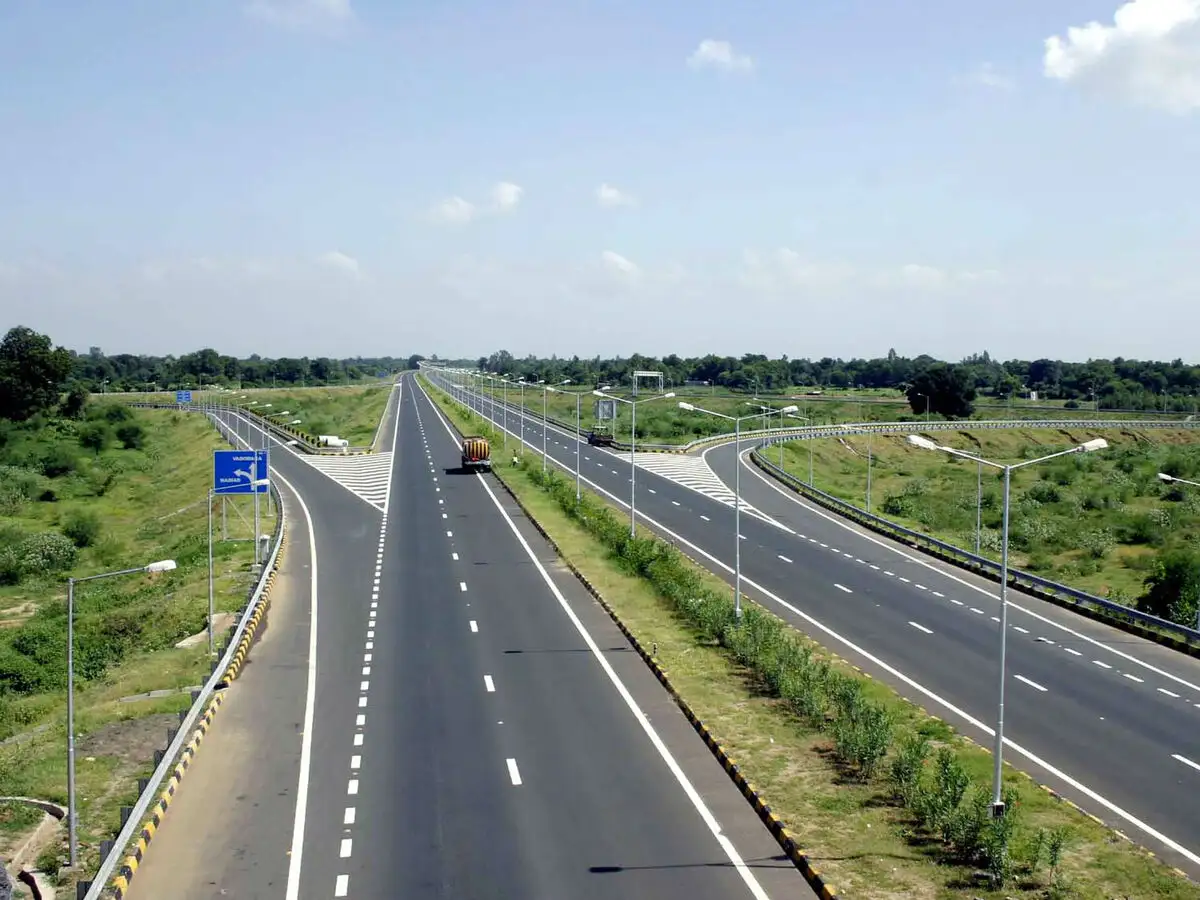
To increase military movement and connection, Shah also highlighted ongoing border infrastructure projects, including as a 520-km axial road and a 1,096-km lateral road in Rajasthan’s desert region. He went on to say that approximately 180 of Rajasthan’s border checkpoints now have access to piped drinking water, and that construction is underway on modern fencing systems.
The Home Minister stressed the changing nature of the BSF’s job and emphasised the need for personnel to maintain vigilance in the face of infiltration, smuggling, illicit building, drug trafficking, and drone-based threats. In order to effectively combat drones, he announced that installation of anti-drone equipment will commence within six months and emphasised the need for tighter cooperation between civic authorities and police.
In order to promote more education, welfare coverage, and community engagement in border security, Shah additionally requested that the BSF back the Vibrant Villages Programme’s development of border villages.
He also brought attention to the environmental initiatives of the Central Armed Police Forces, mentioning that in the past five years, CAPF members have planted over 7.35 crore trees. During his visit, Shah planted a seedling of the Khejri tree, which he praised as an essential and life-giving tree in desert areas.
Disclaimer: All news articles are sourced through valid sources, and Business Unlimited (BU) doesn’t have any exclusive rights on these pieces. If BU features any exclusive story or article, it will be marked as Exclusive Story.