

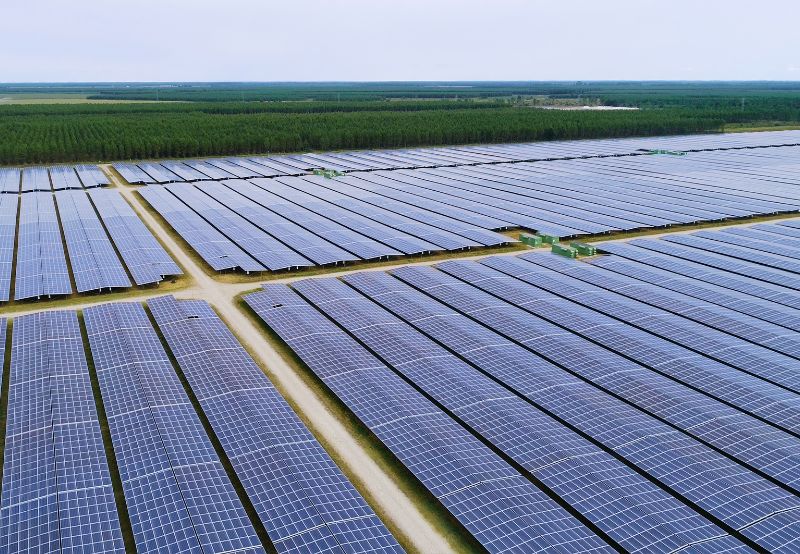
The January–March quarter of 2026 saw the highest quarterly solar installation in India, with a record 15.3 GW of capacity added, according to a report by Mercom India Research.
The installations were up 143% year-on-year from 6.3 GW added in the same quarter last year and 10.3 GW commissioned in the previous quarter, which was October–December 2025.
Contributing 12.6 GW, or approximately 82% of total quarterly installations, were large-scale utility projects, which dominated the additions. Due to the increasing demand for captive and commercial renewable power procurement, open access projects made up 21% of utility-scale capacity additions.
Solar power accounted for the vast majority (77%) of India’s 19.9 GW of Q3 power generation capacity additions. In March of 2026, the nation’s total installed solar capacity reached 152 GW.
Rooftop solar made up 15% of the total installed solar capacity, while utility-scale projects made up 85%. Currently, solar power accounts for 28% of India’s overall power capacity and 55% of renewable energy capacity.
The state of Rajasthan maintained its position as the nation’s leader in utility-scale solar deployment, with 32% of the total installed capacity. Gujarat came in second with 21%, and Karnataka came in third with 11%.
According to the data, nearly 80% of the new utility-scale installations for the quarter came from Gujarat and Rajasthan combined.
Multiple factors, including approaching policy deadlines and improved transmission infrastructure readiness in key renewable markets, drove the record commissioning activity, according to Mercom.
Because of developers’ worries about the availability of domestic solar cells and the increased costs of procuring modules, the imminent implementation of the Approved List of Models and Manufacturers (ALMM) List-II standards in June 2026 accelerated project execution.
Along with expedited commissioning of open access projects in preparation for the phased reduction of Inter-State Transmission System (ISTS) charge waivers, project activity also gained momentum under the PM-KUSUM program.
Experts in the field have warned that, as the penetration of renewable energy sources increases, grid and transmission infrastructure could become a critical bottleneck, despite the promising growth trajectory.
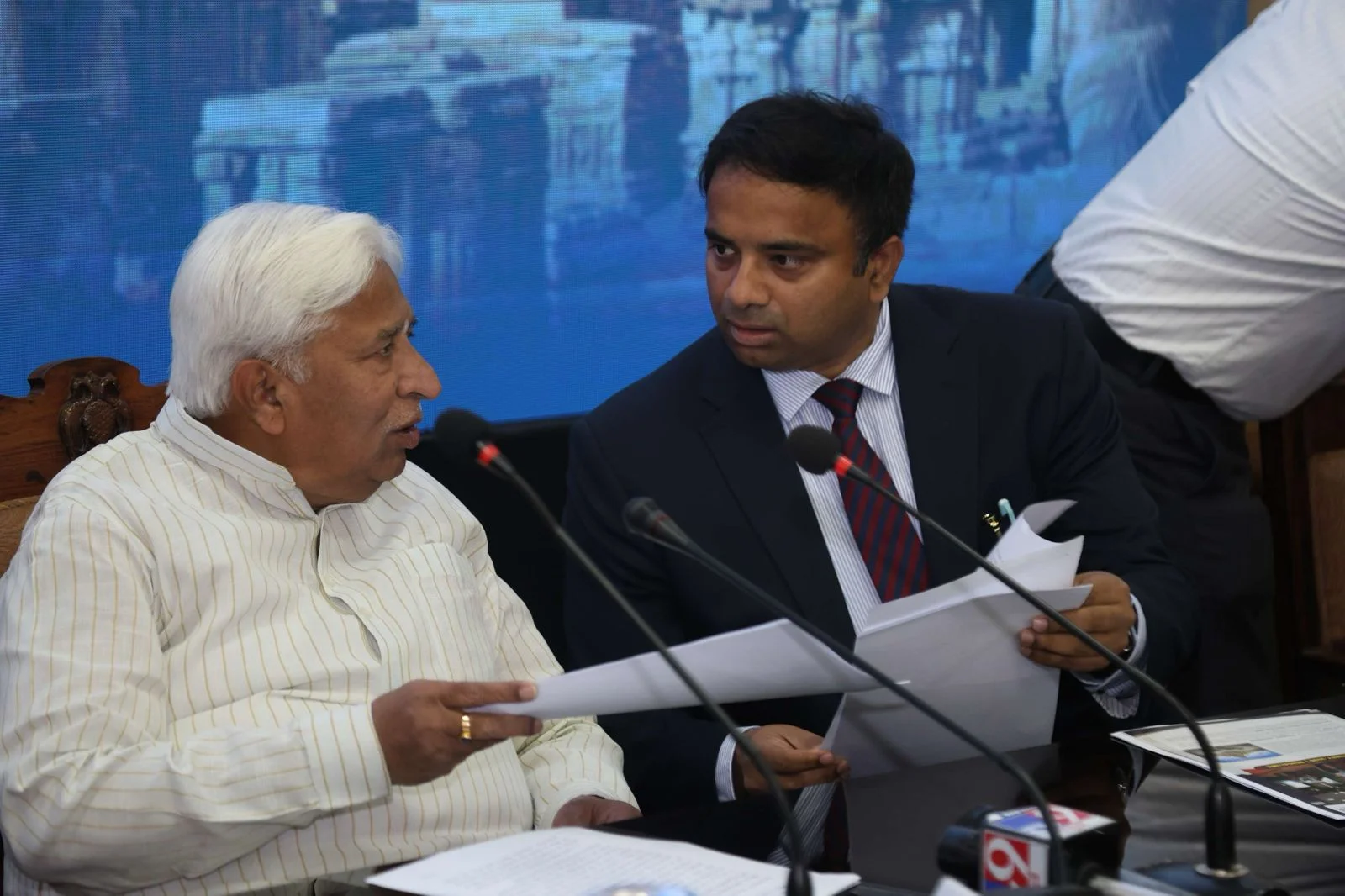
Power evacuation infrastructure and transmission readiness are having trouble keeping up with the fast expansion of renewable energy capacity, according to Raj Prabhu. Sustaining long-term growth in the sector will depend on grid flexibility, storage integration, and curtailment management, he said.
These most recent numbers highlight how quickly India is becoming one of the world’s leading solar power markets and how quickly it is shifting its energy focus to renewable sources.
Image Credit: Mercom India
Disclaimer: All news articles are sourced through valid sources, and Business Unlimited (BU) doesn’t have any exclusive rights on these pieces. If BU features any exclusive story or article, it will be marked as Exclusive Story.