

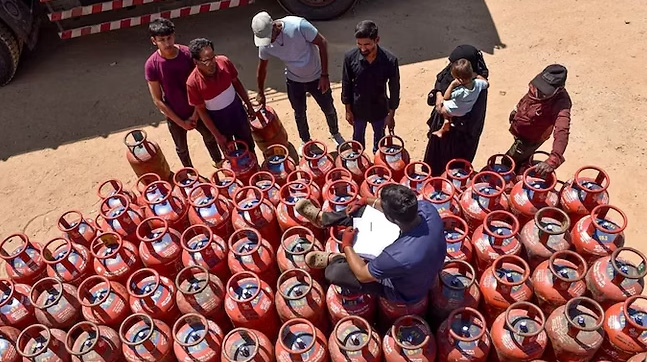
On Monday, the Indian government notified Parliament that there are 25,605 LPG distributorships as of March 1, 2026, with 17,677 of those being located in rural areas. The government also mentioned that there are 214 LPG bottling plants run by Oil Marketing Companies (OMCs).
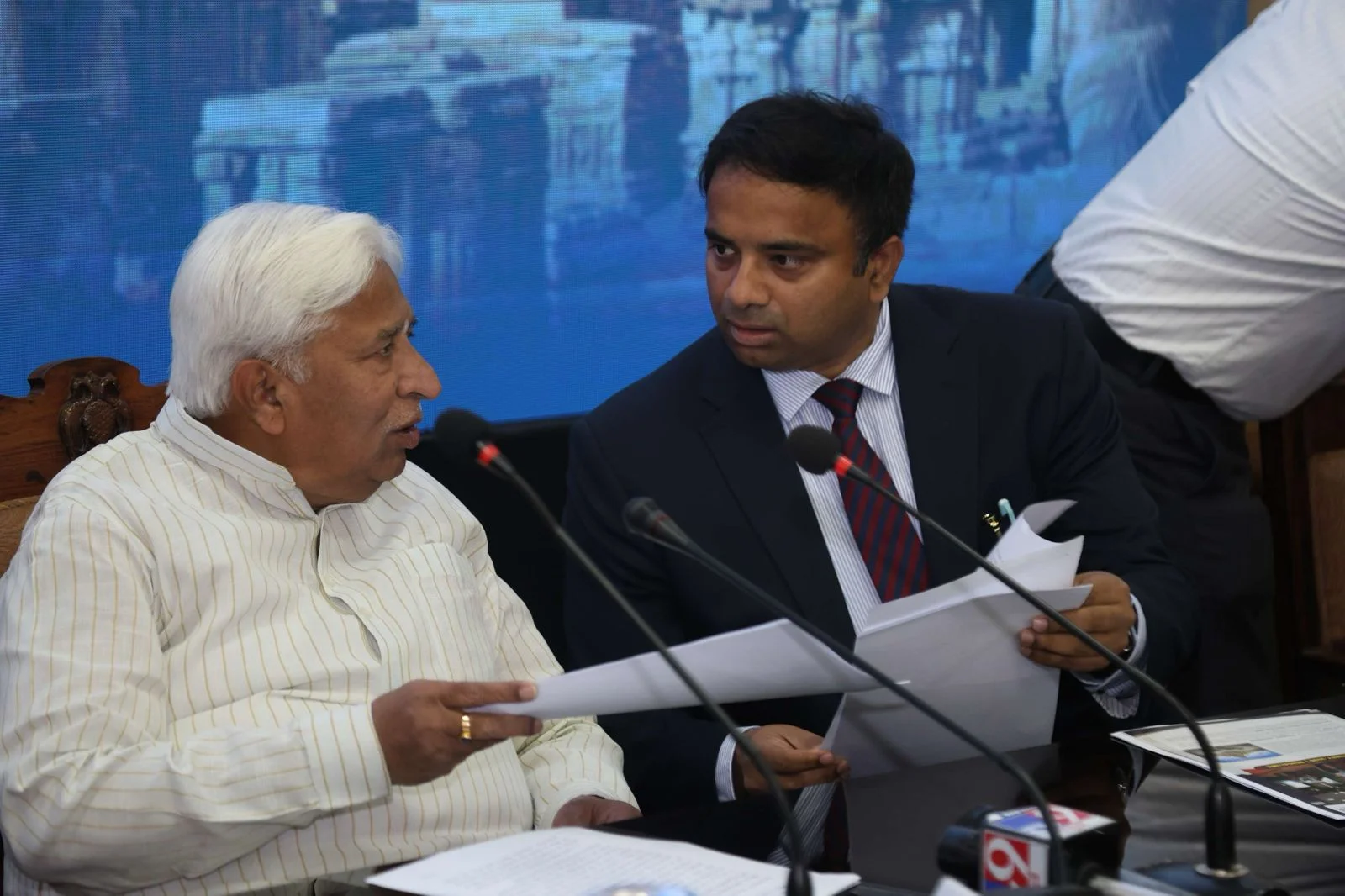
In a statement made to the Rajya Sabha by Suresh Gopi, Minister of State for Petroleum and Natural Gas, it was revealed that 8,037 distributorships were authorised to increase access to LPG from April 2016 to February 2026. Of these, 93% were designated to service rural and distant areas.
The government has implemented refill booking systems that are SMS-based and rely on IVRS to increase transparency and make it easier for consumers. These systems provide warnings at critical phases including booking, billing, and delivery. To further guarantee the authenticity of LPG cylinder deliveries, oil firms have additionally implemented a Delivery Authentication Code (DAC).
In order to keep LPG rates moderate, the government has given OMCs financial help, compensating them with ₹22,000 crore in FY23 and allocating an extra ₹30,000 crore for FY26.
About 10.56 crore people have been covered as of March 1, 2026, under the Pradhan Mantri Ujjwala Yojana, which was started in May 2016 to give low-income women access to LPG connections without having to put down any deposits.
At present, the price of a 14.2 kg household LPG cylinder in Delhi is ₹913, however for qualifying Ujjwala recipients, the price is reduced to ₹613 per cylinder thanks to a ₹300 subsidy.
According to the government, refineries in India are running at full capacity and there are sufficient crude stocks to guarantee a steady supply of petrol and diesel.