


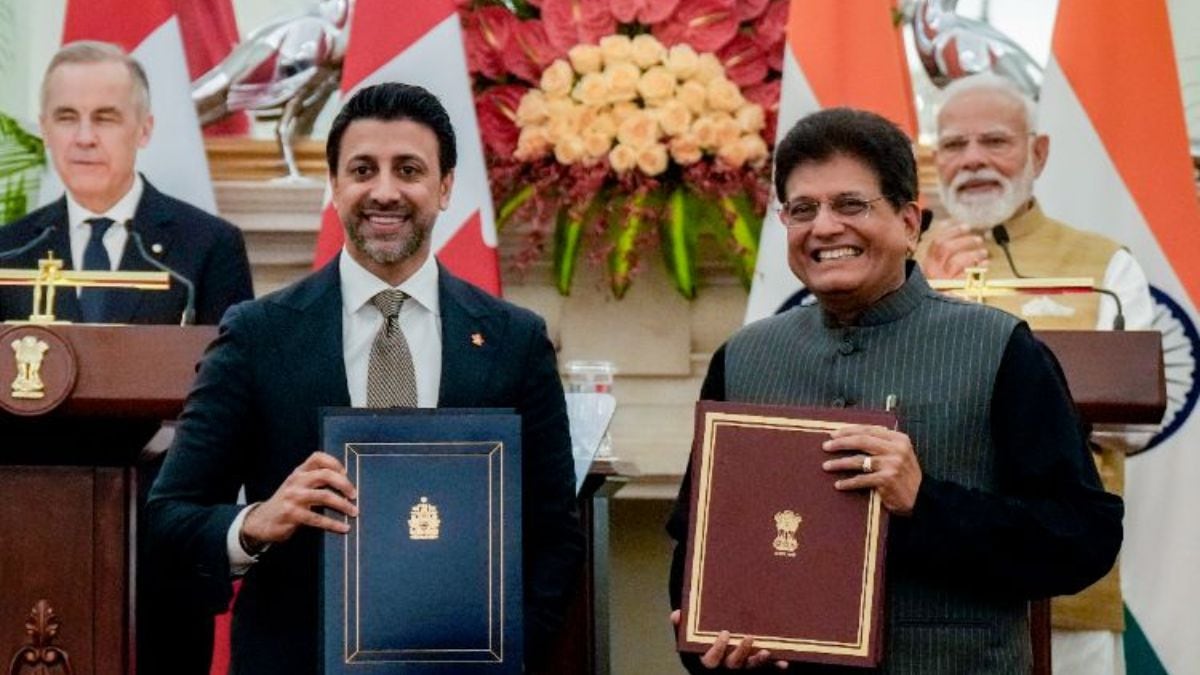
With the signing of a $2.6 billion long-term uranium supply agreement with Canada, the Narendra Modi government has taken a significant step toward meeting India’s goal of reaching 100 GW of nuclear power capacity by 2047, according to analysts.
The South China Morning Post reports that India’s nuclear energy programme is going to grow and that the government will need to secure long-term import agreements because its domestic uranium supply won’t meet demand.
The paper cites experts who say that due to the growing gap in supplies, India will have to rely more on uranium from other countries to power its reactors, both current and future. This makes the Canada deal strategically vital.
Over the past few years, India has sourced the majority of its uranium from Kazakhstan, the country with the highest production capacity. As a result of the new agreement with Canada, India’s nuclear power sector should have more fuel security and access to a wider variety of supply sources.
This comes after the Indian Parliament revised the country’s civilian nuclear framework in December 2025 with significant policy modifications. By removing the long-standing state monopoly and lowering supplier liability worries, the reforms make it possible for both domestic and foreign enterprises to build, own, and operate nuclear power stations for the first time.