

In order to enhance train operations and increase safety, Indian Railways renewed 54,600 km of tracks between 2014 and 2026, as told to the Parliament on Wednesday.
The percentage of the rail network that has been improved to accommodate sectional speeds of 110 km/h or greater has increased from roughly 40% in 2014 to over 80% during the timeframe. Additionally, there was a considerable growth, from 6.3% to 22.4% of the network, in tracks capable of speeds of 130 km/h and above.
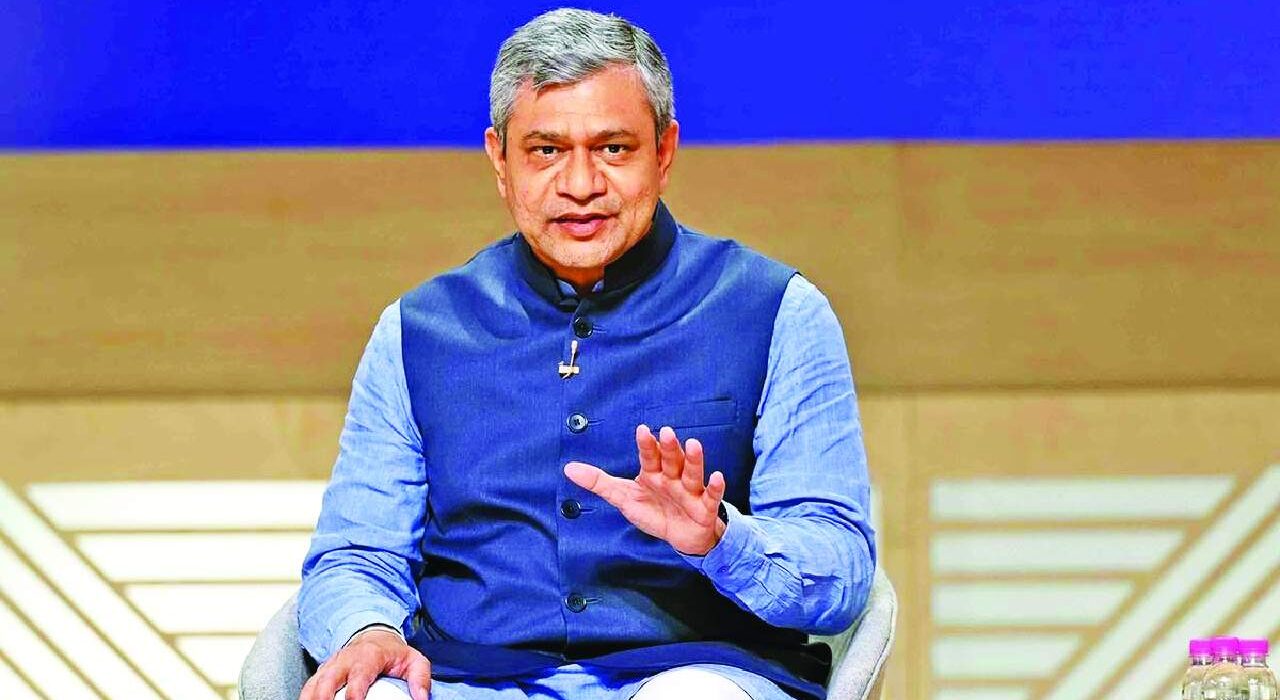
Track renewal is an ongoing procedure that takes into account factors like track age, traffic load, and overall condition, according to Railway Minister Ashwini Vaishnaw, who was answering a question in the Lok Sabha.
In order to keep railway tracks safe for trains to operate at allowed speeds, he said, renewal activities are prioritised.
Various monitoring procedures, such as daily patrolling, on-foot inspections, tram inspections, and footplate or rear-window inspections, are used by authorised personnel to regularly inspect the railway network.
The railways also use scheduled runs with Track Recording Cars (TRC) and the Oscillation Monitoring System (OMS) to more objectively monitor track geometry and health. In order to detect problems and implement fixes within a certain time frame, these monitoring systems cover the entire network.
Meanwhile, 765 crore worth of infrastructure and technology enhancements have been sanctioned by the government to enhance operations, increase line capacity, and fortify communication systems on important routes.
Two high-density freight and passenger lines will have their electric traction systems upgraded as part of these projects, which are detailed by the Ministry of Railways. Additionally, the Western Railway’s Vadodara and Mumbai Central divisions will have their optical fibre connection backbone expanded.