


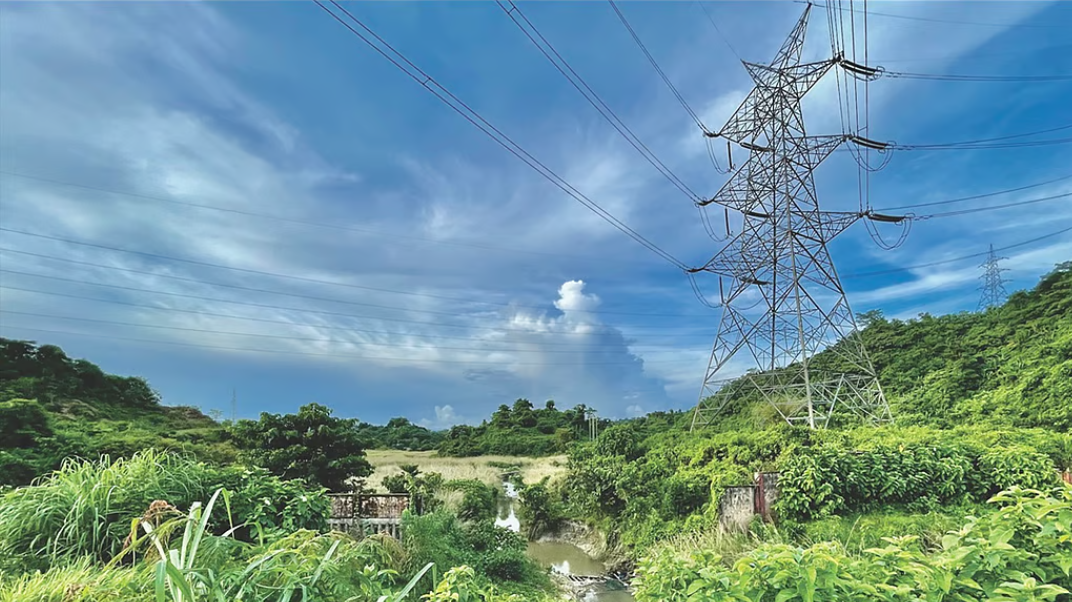
Nepal has received approval to import up to 350 MW of electricity from India this winter to meet domestic power demand amid declining hydropower generation and damage to several projects caused by recent floods.
The Central Electricity Authority (CEA), under India’s Ministry of Power, has authorised the Nepal Electricity Authority (NEA), the state-owned power utility, to procure electricity at competitive rates from the Indian Energy Exchange (IEX) for up to 17 hours a day, NEA officials said.
The approval is valid from November 17, 2026, to July 31, 2027, and is expected to help Nepal manage the seasonal gap between electricity demand and domestic generation, NEA Managing Director Dirghayu Kumar Shrestha said.
India Approves Electricity Imports Through Four Transmission Lines
Of the approved 350 MW, Nepal can import 300 MW through the Kataiya-Kushaha, Ramnagar-Surajpura and Raxaul-Parwanipur transmission lines. The remaining 50 MW can be sourced through the New Nautanwa-Mainahiya transmission line.
The approval will allow the NEA to purchase electricity through the Indian Energy Exchange at competitive rates for up to 17 hours daily, helping meet domestic requirements during the winter months.
Seasonal Hydropower Generation Increases Nepal’s Import Dependence
Nepal’s dependence on run-of-the-river hydropower projects makes electricity generation highly seasonal.
Rising river flows during the summer months enable the country to generate surplus power for export, mainly to India. However, declining water levels during winter significantly reduce domestic production, forcing Nepal to rely on electricity imports.
Flood Damage Affects 431 MW of Hydropower Capacity
Nepal’s power supply situation has also been affected by damage to several hydropower projects in central Nepal during the devastating Rasuwa-Bhotekoshi floods in August.
Projects with a combined installed capacity of 431 MW have remained disconnected from the national grid following the disaster, further affecting domestic electricity availability.
Nepal May Resume Electricity Exports from Mid-April
Domestic generation is expected to improve from mid-April as water levels in rivers gradually rise. This could reduce Nepal’s dependence on imported electricity and potentially allow the country to resume power exports, officials said.
The additional electricity imports from India are expected to help Nepal manage its winter power requirements while hydropower generation remains low and flood-affected projects remain disconnected from the national grid.