


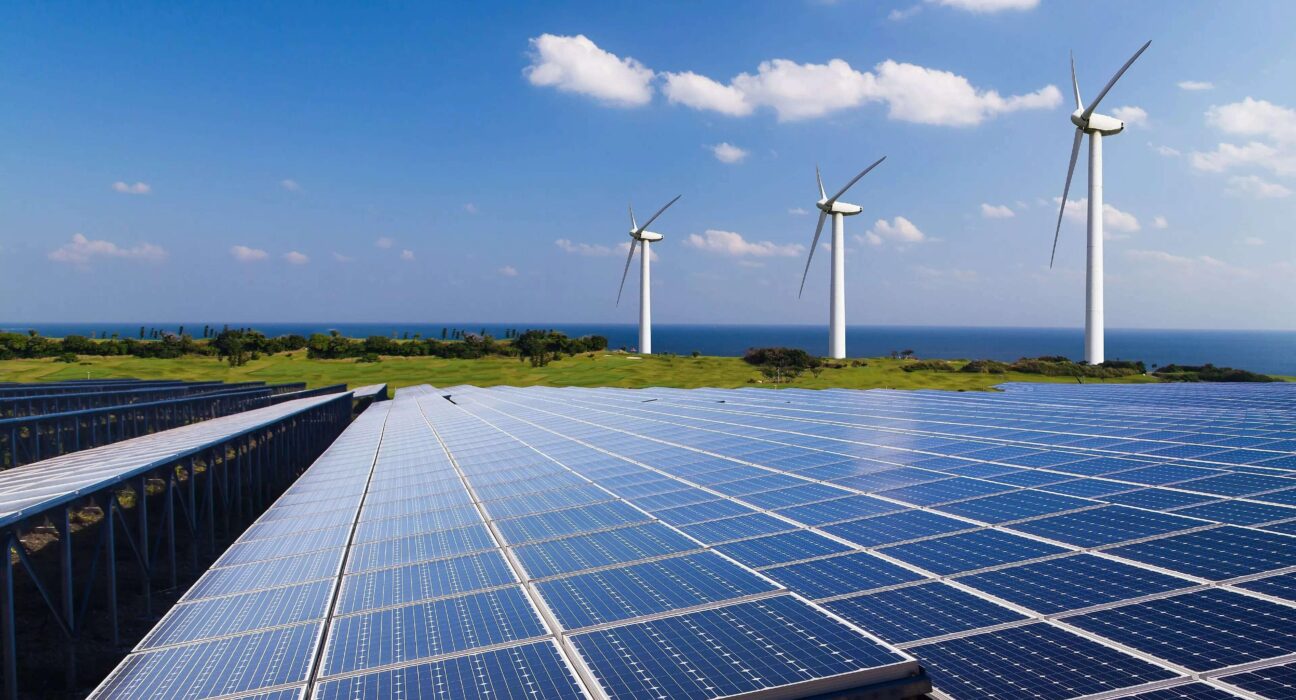
India has crossed a major milestone in its clean power journey, with total non-fossil fuel based installed electricity generation capacity reaching 300.50 GW as of July 31, 2026. The achievement takes the country more than 60% of the way towards its target of reaching 500 GW of non-fossil fuel capacity by 2030.
For businesses and investors, the milestone points to a much larger opportunity than a rise in power generation capacity. India’s expanding renewable energy base is creating demand across manufacturing, infrastructure, project development, equipment, transmission, storage, technology and supporting services. The scale of the expansion is also expected to strengthen the domestic clean energy supply chain and create new opportunities for companies looking to participate in India’s energy transition.
Solar power continues to lead this expansion. India had 164.59 GW of installed solar capacity as of July 31, 2026. Wind power stood at 58.14 GW, while large and small hydropower together accounted for 57.24 GW. Bio-power contributed 11.75 GW, and nuclear power accounted for 8.78 GW. Together, these sources have taken India’s total non-fossil fuel capacity to 300.50 GW.
The scale of the change becomes clearer when compared with the situation a decade ago. Solar capacity has increased from only 2.8 GW in 2014 to around 165 GW today. Wind capacity has also expanded strongly, rising from about 21 GW in 2014 to more than 58 GW. This rapid growth has created a wider market for developers, manufacturers, engineering companies, financial institutions and technology providers.
The momentum was particularly strong during 2025-26. India added a record 55.29 GW of non-fossil fuel based electricity capacity during the year. Solar accounted for the largest share, with 44.6 GW added, while wind contributed another 6 GW.
The growth in installed capacity is also being reflected in actual renewable power generation. Renewable energy generation increased from 190.96 billion units in 2014-15 to 477.79 billion units in 2025-26. The increase indicates the growing role of clean power in meeting India’s electricity demand and reducing dependence on conventional energy sources.
For the business sector, this expanding capacity is opening opportunities across the entire energy value chain. Solar module manufacturing, inverters, power electronics, engineering and construction services, transmission equipment, battery storage and grid management are among the areas expected to see continued demand as more renewable projects come online.
The government’s focus on domestic manufacturing is also changing the structure of the market. The Production Linked Incentive scheme has supported investment in high efficiency solar manufacturing and helped expand India’s ability to produce key components within the country. The capacity listed under the Approved List of Models and Manufacturers for Solar PV modules has crossed 200 GW, compared with just 2.3 GW in 2014.
The expansion of domestic manufacturing is significant for companies operating in the renewable energy supply chain. A stronger local manufacturing base can reduce dependence on imported equipment while creating opportunities for Indian manufacturers to scale production and compete in international markets. It can also encourage investment in areas such as raw materials, components, logistics, engineering and industrial infrastructure.
The push towards clean energy is not limited to electricity generation. India is also building a wider industrial ecosystem around green hydrogen and its derivatives. Through the National Green Hydrogen Mission, the government is seeking to develop domestic capabilities for the production, use and export of green hydrogen.
This could create another area of opportunity for businesses. Industries such as refining, chemicals, fertilizers, steel, shipping and heavy transport are likely to be important users of low carbon fuels as companies work to reduce emissions from hard to decarbonise operations. The development of green hydrogen infrastructure could therefore support investment across production facilities, electrolyser manufacturing, renewable power projects, storage, transportation and related technologies.
The 300 GW milestone also highlights the growing importance of infrastructure that can support a larger share of variable renewable power. As solar and wind capacity increases, businesses will need reliable transmission networks, energy storage systems and smarter grid technologies to manage changes in power generation and demand.
This creates opportunities beyond renewable project developers. Infrastructure companies, equipment manufacturers, technology providers, financial institutions and specialist service providers can all play a role in supporting the next phase of India’s energy transition.
India’s progress also strengthens the business case for long term investment in clean energy. The country’s electricity demand is expected to continue growing as manufacturing, infrastructure, urbanisation and digital industries expand. Meeting this demand while reducing emissions will require substantial additions to power generation and supporting infrastructure.
The government’s 500 GW non-fossil fuel capacity target for 2030 therefore represents a sizable market opportunity. More projects will need to be developed, financed, constructed and connected to the grid over the coming years. This is likely to keep demand strong for companies with capabilities in project development, engineering, manufacturing, financing and energy management.
The milestone also supports India’s broader push for energy security and self reliance. Building more domestic capacity across the renewable energy supply chain can help reduce exposure to global supply disruptions while strengthening the country’s position as a manufacturing and clean energy hub.
For businesses, the transition is increasingly becoming part of a wider industrial strategy rather than only an environmental agenda. Renewable energy is influencing investment decisions, manufacturing plans, infrastructure development and corporate sustainability strategies.
With 300.50 GW of non-fossil fuel capacity already in place, India has crossed an important point in its journey towards the 2030 target. The next phase is likely to focus not only on adding generation capacity but also on building the manufacturing, transmission, storage and technology ecosystem required to support it.
As India moves towards 500 GW of non-fossil fuel capacity, the scale of the opportunity is set to expand across the energy and industrial sectors. For businesses and investors, the country’s renewable energy transition is emerging as a long term growth market with opportunities extending well beyond power generation.