


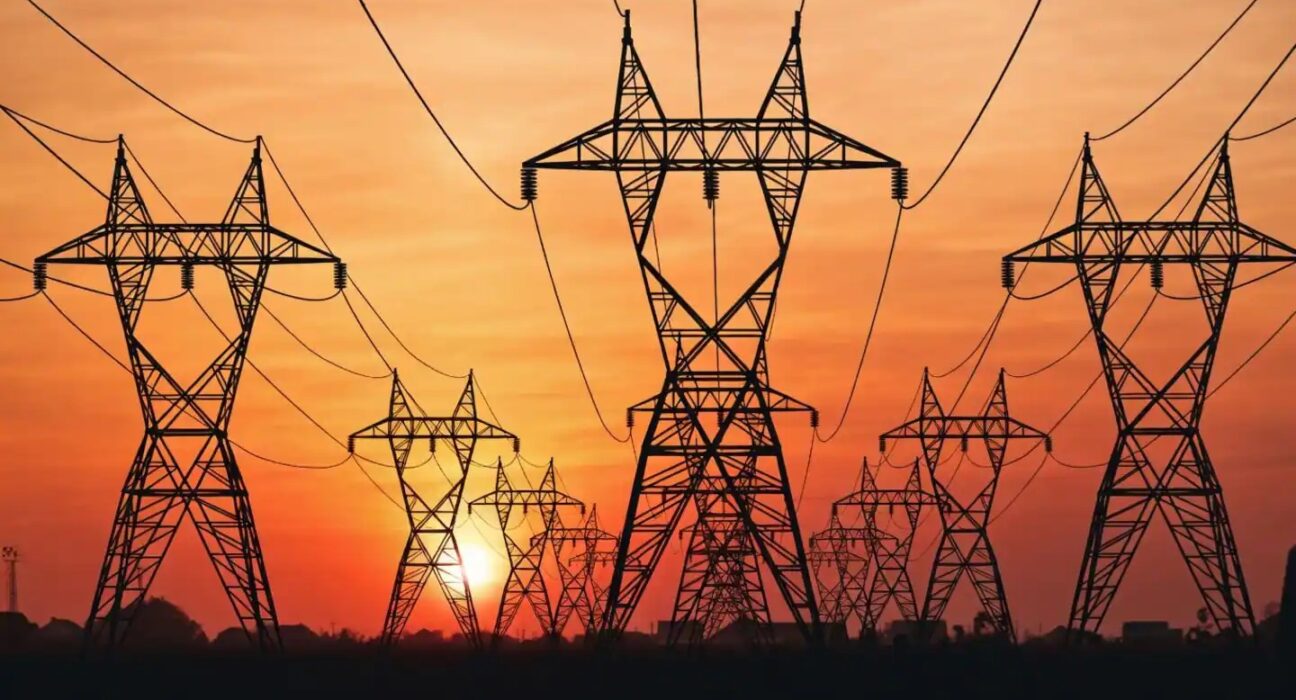
Data from the Ministry of Power shows that on Saturday, India’s power demand reached a record high of 256.11 GW due to the increased usage of cooling appliances in both households and commercial premises caused by the scorching temperatures across the country.
The recent record-breaking top of 252.07 GW was established only one day ago, demonstrating the dramatic increase in demand due to the worsening heatwave. Officials have verified that, despite the rise, there were no power disruptions and that the supply was stable due to sufficient generation capacity.
Projections show that demand will peak at roughly 270 GW during the current summer season, and it is projected to increase even higher than that. After a moderate start to April due to unseasonal showers that briefly lowered power usage, temperatures started rising steadily in the middle of the month, and the recent rise is the result.
The India Meteorological Department reports that heat stress conditions are getting worse as multiple regions see temperatures up to 5°C higher than usual. From April to June of 2026, the government predicts a severe heat wave, with the heaviest impacts expected in the country’s north, center, and east.
Prolonged periods of extremely hot weather are anticipated in several Indian states, including Madhya Pradesh, Maharashtra, Rajasthan, Uttar Pradesh, Bihar, and Haryana. Some regions may even see temperatures higher than 45°C. Health concerns will likely be amplified by extremely high humidity levels.
Extreme heat, according to authorities, might lead to more cases of heat exhaustion and heatstroke, particularly among more susceptible populations including children, the elderly, and people who work outside. The public has been urged to drink plenty of water, remain indoors during the hottest parts of the day, and dress in light, breathable fabrics.
Meeting peak summer loads requires careful planning of capacity and a resilient grid, as the increasing demand for electricity during extreme weather events puts a strain on existing infrastructure.
Image Credit: News Bytes
Disclaimer: All news articles are sourced through valid sources, and Business Unlimited (BU) doesn’t have any exclusive rights on these pieces. If BU features any exclusive story or article, it will be marked as Exclusive Story.