

When global supply chains tremble, the impact is felt far beyond the conflict zone. For India, the recent disruptions in the Strait of Hormuz—a narrow waterway through which nearly one-fifth of the world’s petroleum trade passes—have served as a stark reminder of the risks of import dependence.
In response, the Government of India has quietly but decisively moved to strengthen its domestic energy infrastructure. A new policy directive, the Natural Gas and Petroleum Products Distribution Order, 2026, was notified in the official gazette on March 24, with a clear goal: to accelerate the development of gas pipelines across the country and reduce vulnerabilities to global shocks.
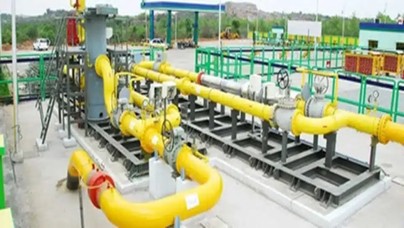
The order addresses hurdles that have long slowed pipeline expansion. Anyone who has followed infrastructure projects knows the challenges—delays in multi-agency approvals, disputes over land rights, high local taxes, and even resistance from housing societies. The new framework empowers authorized entities to lay pipelines in a time-bound manner, streamlining access to land and cutting through bureaucratic red tape.
But the policy has another important objective: increasing the use of piped natural gas (PNG), particularly in areas already connected to gas networks. Currently, many households in such regions still rely on LPG cylinders. By shifting them to PNG, the government can redirect LPG supplies to underserved areas that lack pipeline connectivity—making the entire system more efficient and equitable.
Why does this matter now? With geopolitical tensions in West Asia showing no signs of easing, India’s energy security has become a strategic priority. A robust domestic pipeline network means less exposure to global price shocks, fewer supply disruptions, and a stronger foundation for economic stability.
This isn’t just about infrastructure. It’s about ensuring that when the world wobbles, India’s lights stay on, its kitchens keep running, and its economy remains resilient.