

On Tuesday, Antonio Bartoli, the Italian ambassador to India, stressed the critical importance of reducing tensions in the West Asian conflict, saying that both countries are in favour of diplomatic talks to end the war quickly and stabilise energy markets around the world.
According to Bartoli, who spoke to IANS, the two countries share a commitment to promoting peace and dialogue and to protecting their citizens in the face of increasing geopolitical tensions.
To keep energy supply steady and stop crude oil prices from going beyond $100/barrel, which could shake up global markets, he said, an early end to the war is essential.
Oil prices eased below $90 per barrel on Tuesday after Donald Trump suggested that the conflict in the Middle East may end soon, while warning Iran against attempts to disrupt energy shipments through the Strait of Hormuz, a key global oil transit route.
India is becoming an increasingly important global partner, as pointed out by Bartoli, due to its increasing economic might and geopolitical significance. He brought up a recent meeting between S. Jaishankar and Antonio Tajani, the Italian foreign minister, in which they spoke about the developing situation in West Asia.
There needs to be an immediate diplomatic resolution to the issue since, as the envoy claims, it is already having an impact on global markets through increased transportation costs, insurance premium hikes, and inflationary pressures.
After the planned India-EU Free commerce Agreement is finalised, Bartoli is confident that it will increase bilateral commerce and investment between Europe and India.
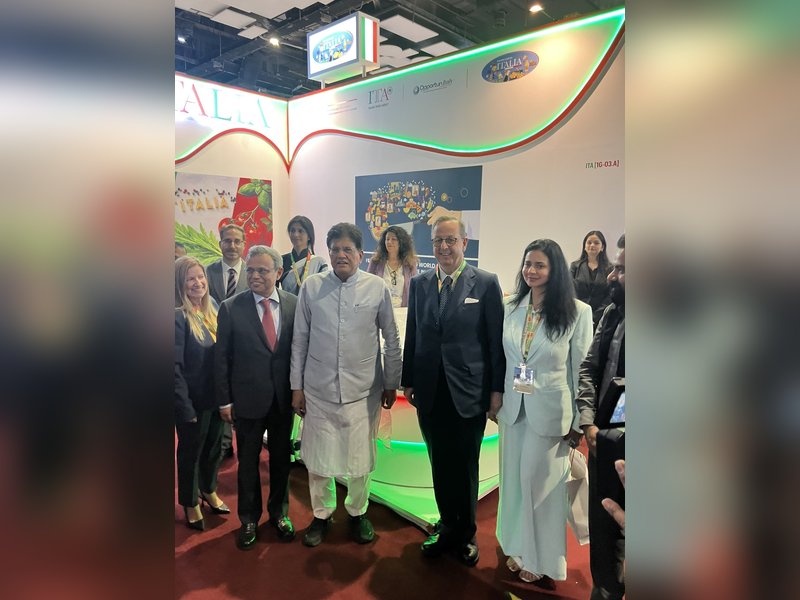
Additionally, the ambassador expressed his delight at Italy’s selection as a partner country for the next 40th edition of AAHAR – The International Food and Hospitality Fair, which will take place from March 10-14 at Bharat Mandapam in New Delhi.
He emphasised Italy’s desire to forge partnerships with India in the food processing industry, particularly in the areas of sustainable packaging, cold chain logistics, food machinery, and food production technologies, in order to fortify supply chains and manufacturing for international markets.