


India has made significant strides in a number of Sustainable Development Goals (SDGs), including expanding access to renewable energy, improving digital connectivity, achieving environmental sustainability, and promoting inclusive growth, according to data released by the Ministry of Statistics and Programme Implementation (MoSPI).
In a thorough evaluation of India’s progress over the last ten years, the most recent National Indicator Framework (NIF) 2026, which was unveiled on the occasion of the twentieth Statistics Day, provides 277 national indicators that encompass all seventeen Sustainable Development Goals.
The dramatic rise in social protection coverage, which increased from 22% of the population in 2016 to 65.3% in 2026, is one of the most remarkable accomplishments. More people are able to take use of the social security and welfare programs that the government runs, which has a positive effect on their quality of life.
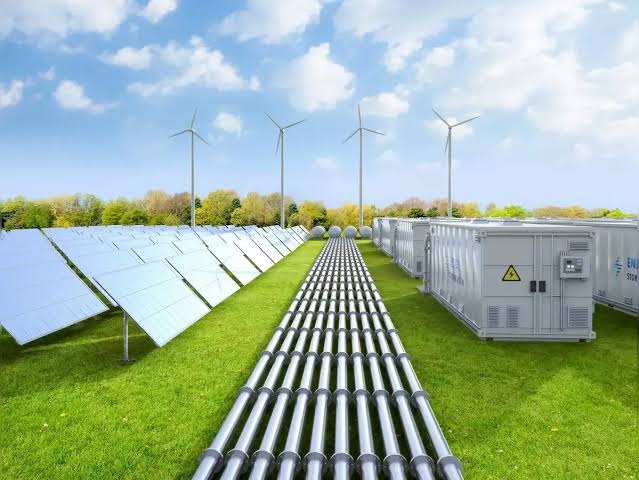
In terms of producing energy from renewable sources, India has also achieved great progress. In 2014–15, India’s installed renewable energy generating capacity was 64.04 watts per capita; by 2025–26, it had nearly tripled to 193.36 watts per capita, further demonstrating the country’s resolve to meet its clean energy and climate targets.
Additionally, the report notes that public health indicators have seen encouraging progress. There was an improvement in the sex ratio at birth, going from 896 girls per 1,000 boys to 918 girls per 1,000 boys, and a decrease in the maternal mortality ratio (MMR) from 122 deaths per one lakh live births in 2015–17 to 87 in 2022–24.
The digital revolution in India has also picked up speed. In 2015, there were 302.3 million internet subscribers; by 2025, that number will have climbed to 969.10 million, allowing for the growth of digital services, e-governance, and financial inclusion.
The nation’s initiatives to protect the environment were also bolstered. The number of waste recycling plants climbed from 829 in 2019–20 to 3,236 in 2025–26, suggesting a greater focus on sustainable waste management, while the area covered by Ramsar sites rose from 4.15% of total wetlands in 2016 to 8.66% in 2026.
There have been advancements in employment and gender inclusion, according to the report. While the percentage of women among India’s professionals and technical workers rose from 48.7 percent to 51.3 percent, suggesting that more and more women are entering the workforce with the necessary skills, the country’s jobless rate fell from 6.1% in 2017–18 to 3.1 percent in 2025.
As a result of ongoing efforts to protect India’s abundant biodiversity, the country’s plant genetic resources climbed from 4,32,564 to 4,91,864, its animal genetic resources rose from 1,40,364 to 3,61,794, and its fish genetic resources more than doubled.
Image: ET
Disclaimer: All news articles are sourced through valid sources, and Business Unlimited (BU) doesn’t have any exclusive rights on these pieces. If BU features any exclusive story or article, it will be marked as Exclusive Story.