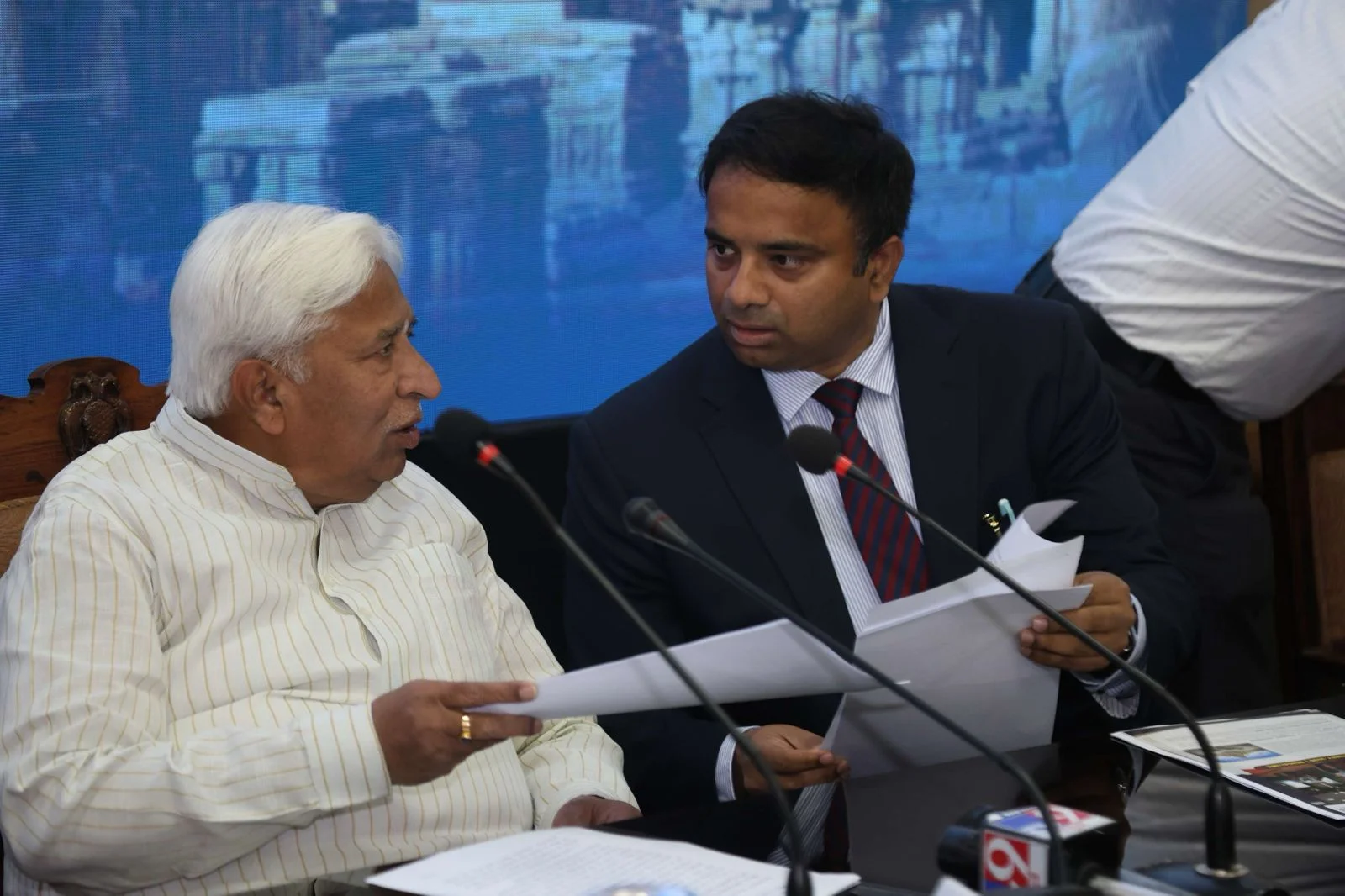


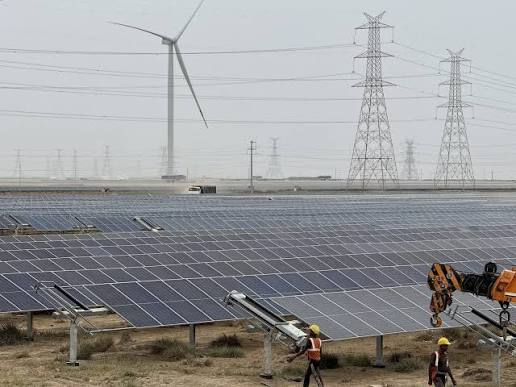
With 39,72,447 rooftop solar (RTS) systems built nationally since its launch in February 2024, the PM Surya Ghar: Muft Bijli Yojana (PMSG: MBY) is accelerating India’s clean energy transition. Shripad Yesso Naik, India’s Minister of State for New and Renewable Energy, informed the Rajya Sabha that 48,02,717 households—a large portion of which are located in rural areas—have reaped the benefits of the initiative. Solar power capacity increased by 6.7 GW between 2025 and 2026, with 18.71 lakh rooftop solar systems added to that total. As a result, 22.71 lakh homes across the nation gained access to clean, inexpensive electricity.
Lower electricity bills for households are one of the flagship scheme’s most notable accomplishments. More than 18.93 lakh beneficiaries have reported not having paid for electricity for at least one billing cycle after installing rooftop solar systems, according to statistics submitted by power distribution companies (DISCOMs). Rooftop solar systems can be installed by any residential customer with an electrical connection to the grid and financial assistance can be applied for through the National Portal. This program is supposed to be a demand-driven effort.
The rooftop solar deployment on government buildings, business establishments, educational institutions, and healthcare facilities is also encouraged under the PM Surya Ghar: Muft Bijli Yojana, in addition to residential installations. Central Financial Assistance (CFA) is not made available to these types of projects by the government because rooftop solar panels can make a good profit even without subsidies. In order to encourage residential consumers, especially homes, to switch to renewable energy and use less traditional power sources, the financial aid is still centred on this goal.
In line with India’s larger goals for sustainable energy, rooftop solar is rapidly growing in the country. Nearly half of India’s projected new electricity consumption by 2030 is anticipated to be supplied by solar power, with the remaining quarter coming from other low-carbon energy sources like wind, hydropower, and nuclear power, as to the International Energy Agency (IEA). If the PM Surya Ghar: Muft Bijli Yojana keeps going well, it would help India reach its renewable energy goals, which include reducing energy costs for households, increasing energy security, and easing the country’s transition to a low-carbon economy.
With more than 39.7 lakh rooftop solar systems and millions of homes enjoying reduced or even nil electricity bills, the PM Surya Ghar: Muft Bijli Yojana has become one of India’s most successful renewable energy schemes. It is believed that the program will continue to play an important role in India’s shift to renewable energy and the growth of rooftop solar power.
Image: The Hawk