

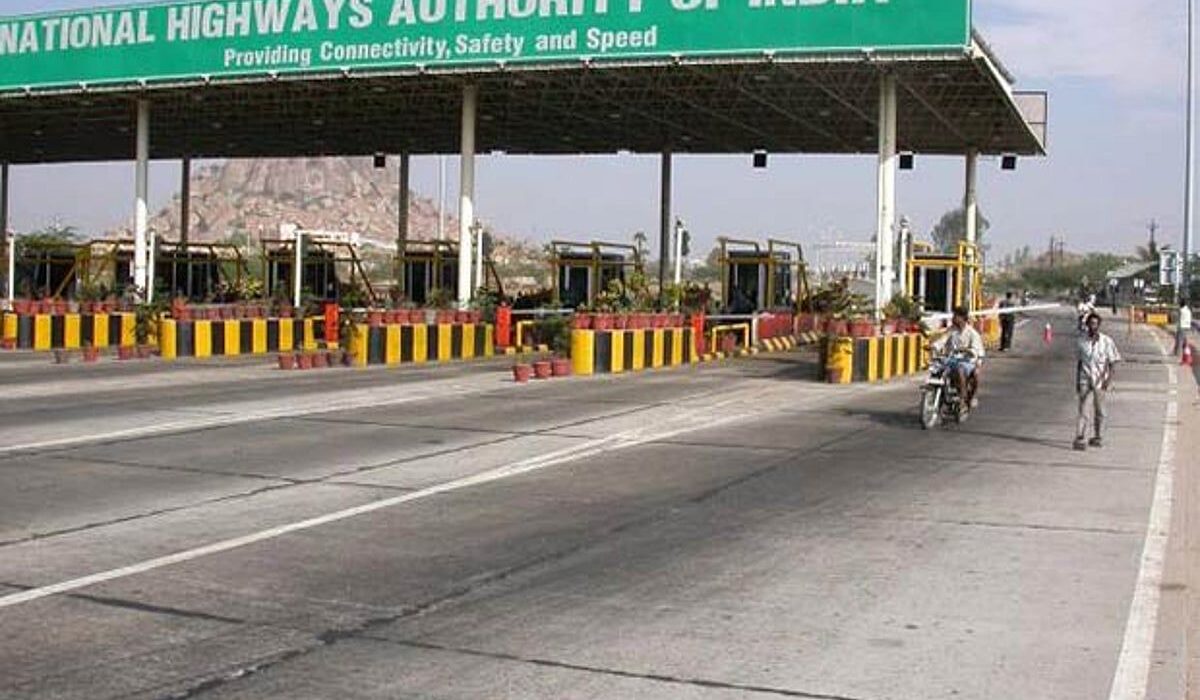
Starting April 1, the National Highways Authority of India (NHAI) will eliminate cash transactions from all national highways and replace them with digital toll payments. This move is being made to improve efficiency and transparency.
The goal of the new system is to improve traffic flow and reduce congestion at toll plazas by requiring commuters to pay toll costs only through digital technologies like FASTag and UPI.
Reduced fuel use and pollutants, along with shorter wait times, are anticipated benefits of the change. Better traffic management is what the authorities are hoping for, especially during rush hour.
Users without active digital payment methods may experience short-term issues during the shift. Penalties or delays may be imposed on vehicles that do not have a valid FASTag or enough balance.
Toll plazas will offer QR codes that are based on UPI to handle these kinds of scenarios; nevertheless, officials warn that transaction speed may be affected on occasion by network-related issues.
Travellers should make sure their FASTag accounts are active and sufficiently filled, and they should also have UPI applications prepared in case of outages.
This project is a major step forward for India’s efforts to improve its transport networks and digital infrastructure.