


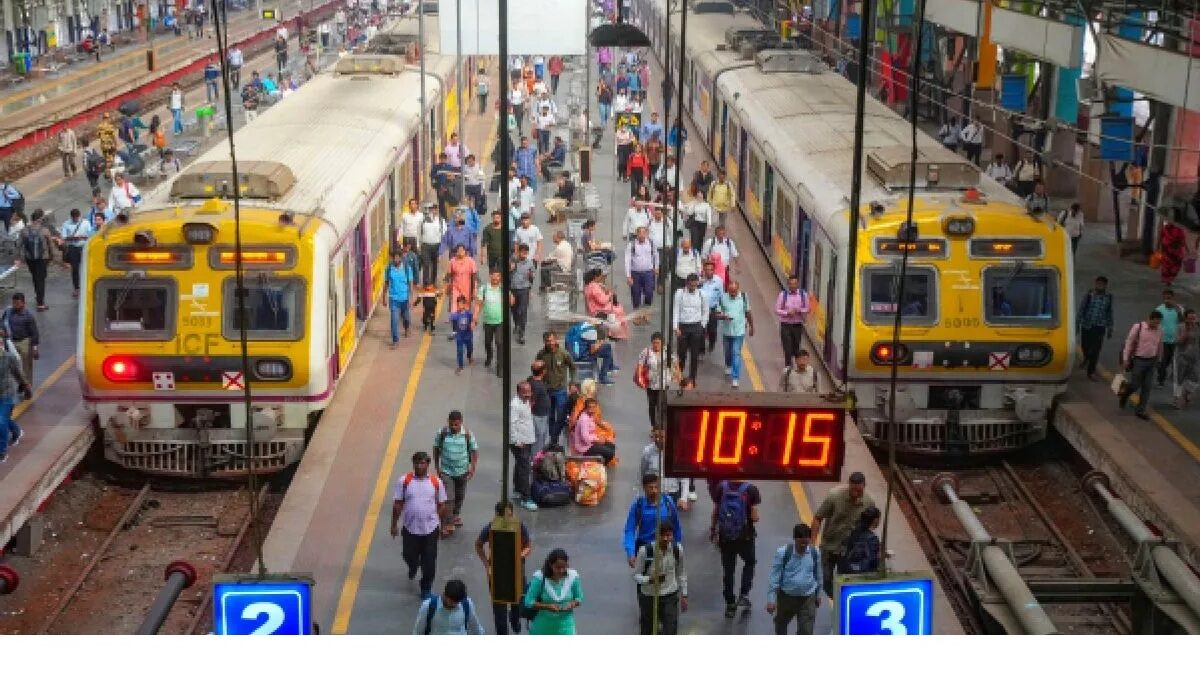
As part of its massive digital transformation in 2025–26, Indian Railways installed 1,874 stations with video surveillance systems powered by artificial intelligence to increase passenger safety and security.
Facial recognition capabilities allow for real-time identification and monitoring, and the sophisticated system allows for the automated detection of questionable activities like intrusion and loitering. When introducing the program, Railway Minister Ashwini Vaishnaw compared the initiative’s cameras to the “eyes” and the AI to the “brain” of the system, stressing the revolutionary role that AI is playing in updating railway security. Additionally, the Railways have improved real-time connection with passengers by expanding the Integrated Passenger Information System (IPIS). The prompt transmission of train information is guaranteed by IPIS, which is equipped with Electronic Train Indicator Boards, Coach Guidance Systems, and Public Address Systems.
An improvement in accuracy and convenience for passengers has been made possible by the integration of automated announcements at 1,405 stations with the National Train Enquiry System (NTES). The Udhampur-Srinagar-Baramulla Rail Link (USBRL) is one of several important lines that have Tunnel Communication Systems installed to improve operational safety. These systems guarantee continuous communication even when traversing tunnels or challenging terrains.
Simultaneously, the Unified Telecom Backbone Infrastructure of Indian Railways has been enhanced through the implementation of IP MPLS technology. This high-capacity network is specifically engineered to enable the support of mission-critical applications.
Supporting important platforms like the Passenger Reservation System (PRS), Unreserved Ticketing System (UTS), Freight Operations Information System (FOIS), Supervisory Control and Data Acquisition (SCADA), and Mobile Train Radio Communication, the system allows for centralised access to video surveillance.
With 1,396 stations already commissioned, IP MPLS has greatly increased network capacity and stability.