

India continues to be the world’s largest producer of black tea and the third-largest tea exporter, according to the government. In FY 2025–26, the country exported 282.11 million kg of tea worth $988.13 million.
Commerce and Industry Minister Piyush Goyal discussed export promotion, Darjeeling tea revival, auction reforms and workers’ welfare with industry stakeholders during an interaction in Kurseong, West Bengal.
India Retains World’s Largest Black Tea Producer Position
India continues to lead global black tea production and ranks as the third-largest tea exporter. The tea industry remains an important contributor to the country’s agricultural economy and export earnings.
During FY 2025–26, India exported 282.11 million kg of tea, generating export revenue of $988.13 million. These figures underline the contribution of Indian tea to international markets and the importance of strengthening the sector’s global competitiveness.
Piyush Goyal Reviews Tea Industry Priorities in Kurseong
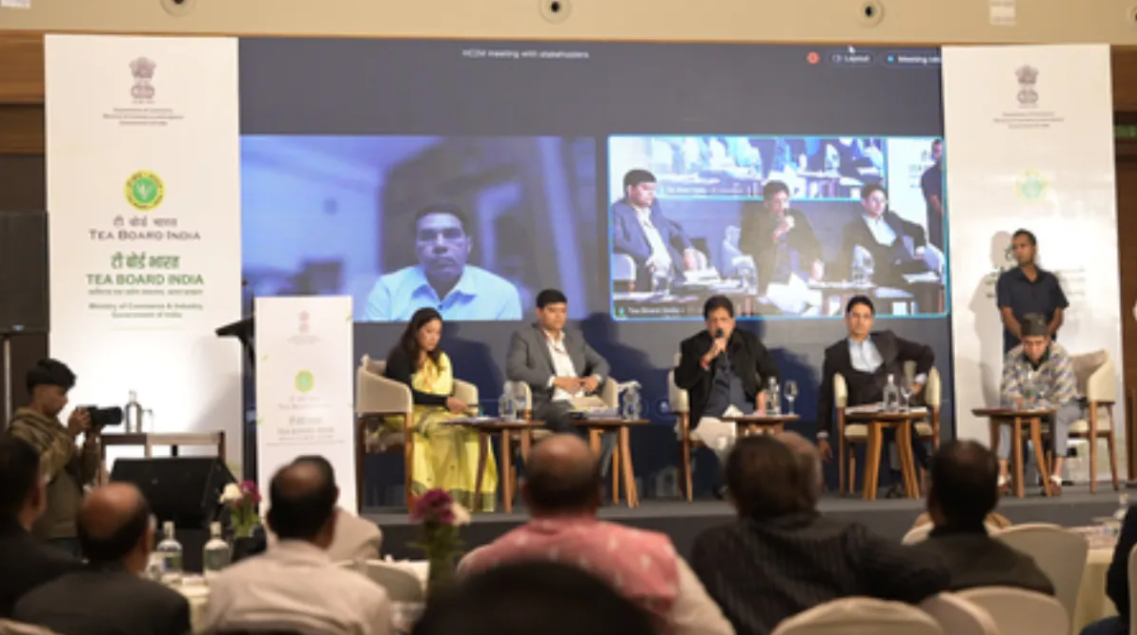
Piyush Goyal chaired an interaction with tea industry stakeholders at Kurseong in West Bengal. Tea Board India organised the meeting.
The discussions covered several issues concerning the development and competitiveness of India’s tea sector, including the revitalisation of the Darjeeling tea industry, reforms in the tea auction system, strengthening tea research and quality, promotion of Indian tea exports, welfare of plantation workers and their families, and initiatives under the Export Promotion Mission (EPM).
The interaction provided an opportunity for industry representatives to share concerns, offer suggestions and discuss practical measures to support the sector’s growth.
Tea Auction Reforms and Ease of Doing Business in Focus
An extensive brainstorming session was held on making the existing tea auction system more efficient, faster, transparent and responsive to the changing needs of the industry.
Participants highlighted the importance of technology-driven reforms, improved operational efficiency and reducing transaction-related difficulties.
Ease of Doing Business emerged as a key priority, with discussions focusing on simplifying processes and creating a more enabling environment for stakeholders across the tea value chain. The proposed improvements aim to make the auction mechanism more responsive to the requirements of producers, buyers and other industry participants.
Export Promotion Mission to Support Indian Tea’s Global Reach
Strengthening India’s tea exports was another major focus of the interaction. Stakeholders discussed focused promotional measures and the effective utilisation of opportunities available under the Government of India’s Export Promotion Mission (EPM).
Suggestions included expanding India’s presence in international markets, strengthening the global positioning of Indian tea, improving market access, enhancing export competitiveness and promoting Indian tea in traditional and emerging markets.
The discussions also emphasised coordinated efforts among the Government, Tea Board India and industry stakeholders to expand the international reach of Indian tea.
Darjeeling Tea Revival and Plantation Workers’ Welfare
The revitalisation of the Darjeeling tea industry received particular attention during the meeting. Stakeholders also discussed strengthening tea research, improving product quality and addressing issues affecting the industry’s long-term development.
The welfare of tea plantation workers and their families remained another important area of deliberation. The interaction provided a platform for industry representatives to highlight their concerns and discuss measures to support workers while improving the overall performance of the tea sector.
India’s position as the world’s largest black tea producer and third-largest tea exporter highlights the importance of the sector to its agricultural economy and international trade. The discussions chaired by Piyush Goyal in Kurseong focused on modernising tea auctions, revitalising Darjeeling tea, strengthening exports and improving workers’ welfare. Coordination between the Government, Tea Board India and industry stakeholders will remain important for the sector’s future growth.