


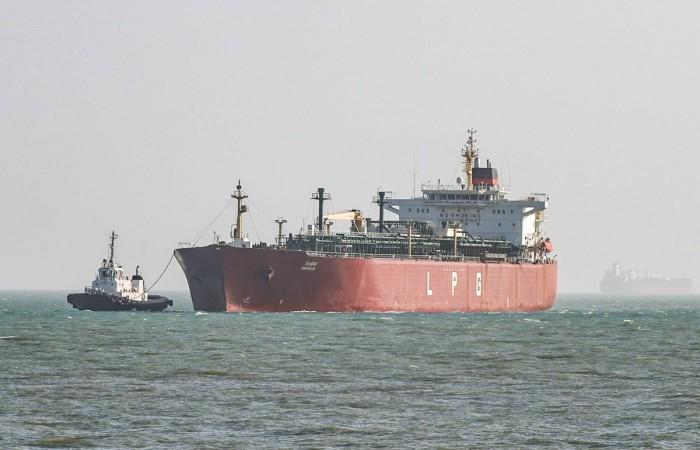
Despite continuing interruptions in the global supply chain, India’s fuel supply situation has been bolstered by the arrival of a large cargo vessel carrying liquefied petroleum gas (LPG) from the United States at Mangalore Port.
Pyxis Pioneer, a ship based in Texas, USA, carried LPG, which was an important part of India’s plan to diversify its energy sources. Aqua Titan, another US-affiliated tanker, had also arrived before this, and the port had already received crude oil from Russia in a previous consignment.
Using a single-point mooring system, the crude cargo is being offloaded from its offshore location and delivered by pipeline to the processing facility of Mangalore Refinery and Petrochemicals Limited. In an effort to alleviate global supply problems, the United States granted a temporary general licence on March 12 for the sale of Russian crude oil that had been stranded at sea. This shipment followed suit.
In an effort to stabilise domestic fuel availability in the face of West Asian disruptions, India has increased its imports of Russian oil, with temporary regulatory relaxation from the US helping.
Along the western coast, extra LPG supplies have been acquired; after Shivalik’s arrival at Mundra Port, the Indian-flagged tanker Nanda Devi docked at Vadinar Port.
These goods passed through the Strait of Hormuz, a waterway where geopolitical tensions between Israel, Iran, and the US keep marine commerce at a premium.
Authorities have reported that 22 vessels flying the Indian flag and carrying more than 600 sailors are still in the western Persian Gulf area. The Directorate General of Shipping is keeping a careful eye on the situation in conjunction with relevant parties.
In light of the changing global landscape, these initiatives highlight India’s proactive approach to ensuring energy supply through diverse sourcing and resilient logistics.