


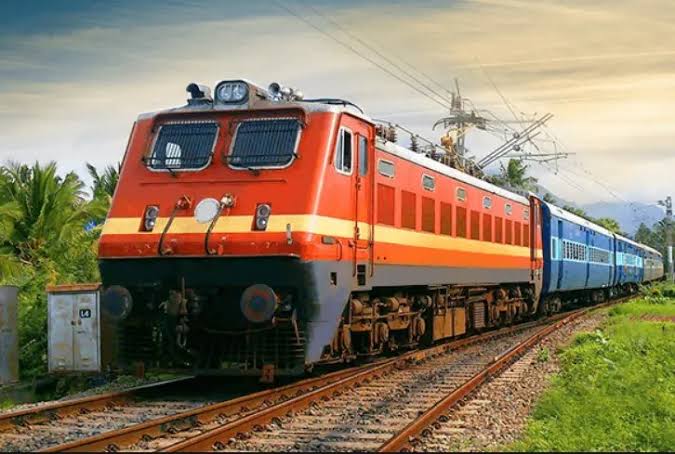
The ₹405 crore signalling upgrading project on Eastern Railway has been greenlit by Indian Railways, signifying yet another important move to improve the safety, dependability, and operational efficiency of one of the busiest train networks in the nation. Situated on HDN and HUN routes, 32 stations and signalling points will have their outdated relay-based interlocking systems upgraded to state-of-the-art Electronic Interlocking (EI) technology as part of this project.
The authorised project entails the replacement of signalling systems at twenty-five stations, including seven Intermediate Block Signalling (IBS) locations and twenty-five Panel Interlocking (PI) and Route Relay Interlocking (RRI) stations. These lines are essential for the smooth running of the rail network in eastern India because of the high amount of goods and passengers they carry.
The project is a part of Indian Railways’ larger infrastructure modernisation program, the goals of which are to increase the dependability of train operations, enhance safety measures, and modernise signalling systems network-wide. When it comes to railway safety and operational performance, modern signalling is a cornerstone.
Many of the current installations along these routes are still running on outdated technology that relies on relays. These systems have encountered various issues related to old infrastructure, such as filthy and clean wiring not being segregated, insufficient earthing systems, power supply arrangements that are antiquated, and signalling equipment that has worn out over time. All of these things add up to more frequent signal failures and more maintenance needs.
In order to tackle these issues, the Indian Railways will implement cutting-edge Electronic Interlocking systems. These systems utilise digital technology to more precisely and reliably handle train movements. By removing many of the drawbacks of older, more inefficient relay-based systems, electronic interlocking makes railway operations far more reliable and secure.
The capacity to decrease signalling failures and enable quicker problem identification and restoration is a key benefit of electronic interlocking technology. By facilitating the rapid detection and correction of operational difficulties, the technology enhances availability and guarantees smoother train movement. As a result, train services are more reliable and run more punctually.
The upgraded signalling system is anticipated to facilitate freight and passenger operations along several of India’s busiest rail lines. Trains will be able to manage more traffic with no compromise to safety if they are more dependable and efficient.
Indian Railways’ long-term goal is to build a technologically advanced railway ecosystem that can support next-generation systems like Centralised Traffic Control (CTC), Automatic Block Signalling (ABS), and Kavach, the country’s indigenous train collision avoidance system. This project is in line with that vision. In order to effectively apply these technologies on high-density routes, a contemporary and robust signalling infrastructure is required.
Improving operational resilience, expanding network capacity, and laying the groundwork for future railway innovations are all anticipated outcomes of the Eastern Railway signalling improvement.
Image: News on Air
Disclaimer: All news articles are sourced through valid sources, and Business Unlimited (BU) doesn’t have any exclusive rights on these pieces. If BU features any exclusive story or article, it will be marked as Exclusive Story.