


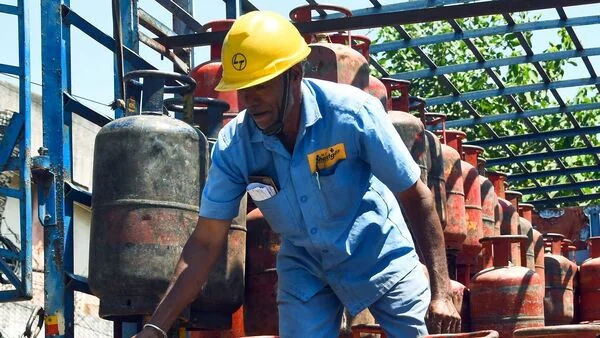
In an effort to alleviate supply limitations affecting industrial and commercial customers due to disruptions in imports caused by the Iran war, the Center has raised the allotment of commercial LPG cylinders to 70% of demand, up from 50%.
In response to a government order, the amended allotment brings the supply of packed non-domestic LPG back up to 70% of its pre-crisis levels, with an extra 20% added to the existing 50%. Industries that use a lot of energy could feel some respite from this decision soon.
The steel, automotive, textile, dye, chemical, and plastics industries will receive priority in the allocation of LPG because of the importance of LPG in these sectors for specialised heating processes that natural gas cannot replicate.
Oil marketing companies require commercial and industrial users to register and apply for piped natural gas (PNG) connections through city gas distribution networks in order to obtain the additional 20% allotment. Nevertheless, sectors where LPG is indispensable and cannot be replaced will be exempted.
To further assist industrial operations and stable supply chains, the government has also requested that states use an extra 10% allocation based on reform.
The hospitality, food processing, and community kitchen industries, as well as migratory workers, were earlier targets of these initiatives. Official statistics show that as of March 25, more than 37,000 cylinders of 5 kilogram free trade LPG have been provided to migrant workers.
Authorities at the state and district levels will oversee distribution according to the priorities set by local demand. Iran has also shown signs of being ready to let more liquefied petroleum gas (LPG) shipments from India through the Strait of Hormuz as a result of diplomatic talks, which could alleviate supply-side constraints.