


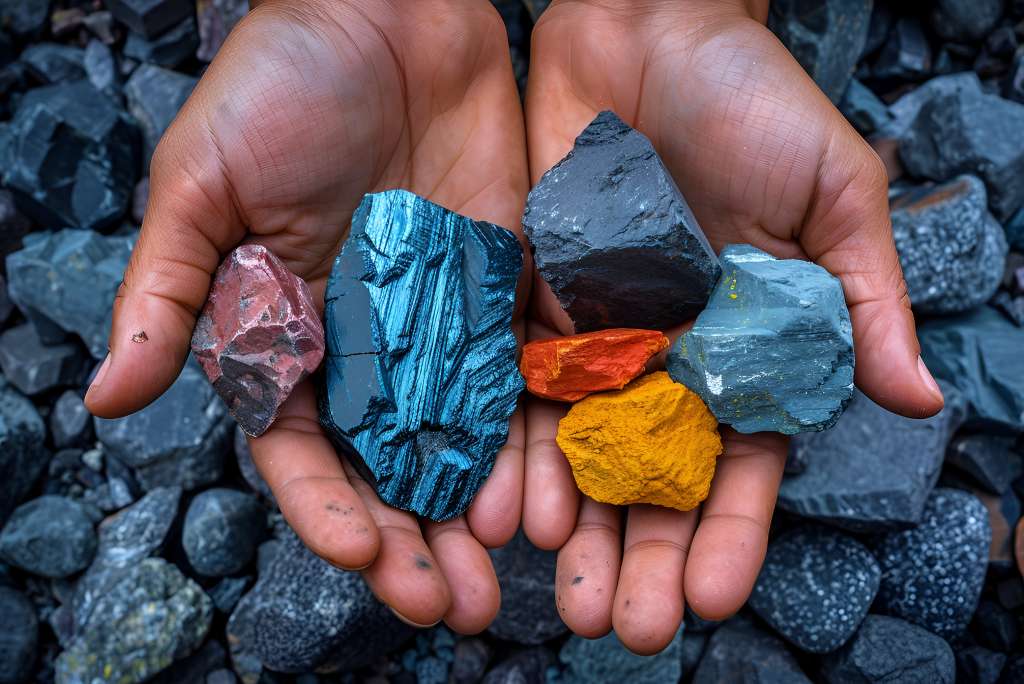
In order to obtain rare earth minerals necessary for the defence, renewable energy, and technology sectors, India is strengthening its alliances with African countries. In contrast to earlier exploitative economic practices, this change signifies a move towards mutually beneficial interactions.
Africa’s unexplored reserves of essential minerals like neodymium, dysprosium, cobalt, and lithium are becoming crucial for India’s Critical Mineral Mission, which aims to secure resource access for clean energy and manufacturing. This is because China controls roughly 90% of the world’s rare earth supplies and export restrictions are getting tighter. Long-term collaboration that promotes regional development is a key component of India’s involvement in Africa.
Long-term agreements that guarantee mineral supplies while fostering local industrialisation are part of the partnerships, which involve nations like Zambia and Zimbabwe. Lithium and cobalt prospects are being investigated by Indian public sector companies, such as NLC India Limited, with an emphasis on local value addition and research.
In order to ensure that Africa can utilise its resources for long-term economic progress, the Ministry of External Affairs promotes an equal partnership model that encourages collaborative ventures, skill development, and infrastructural support. While India looks for essential minerals to satisfy its economic and renewable energy goals, these partnerships seek to strengthen industrial bases and generate jobs in African nations.