


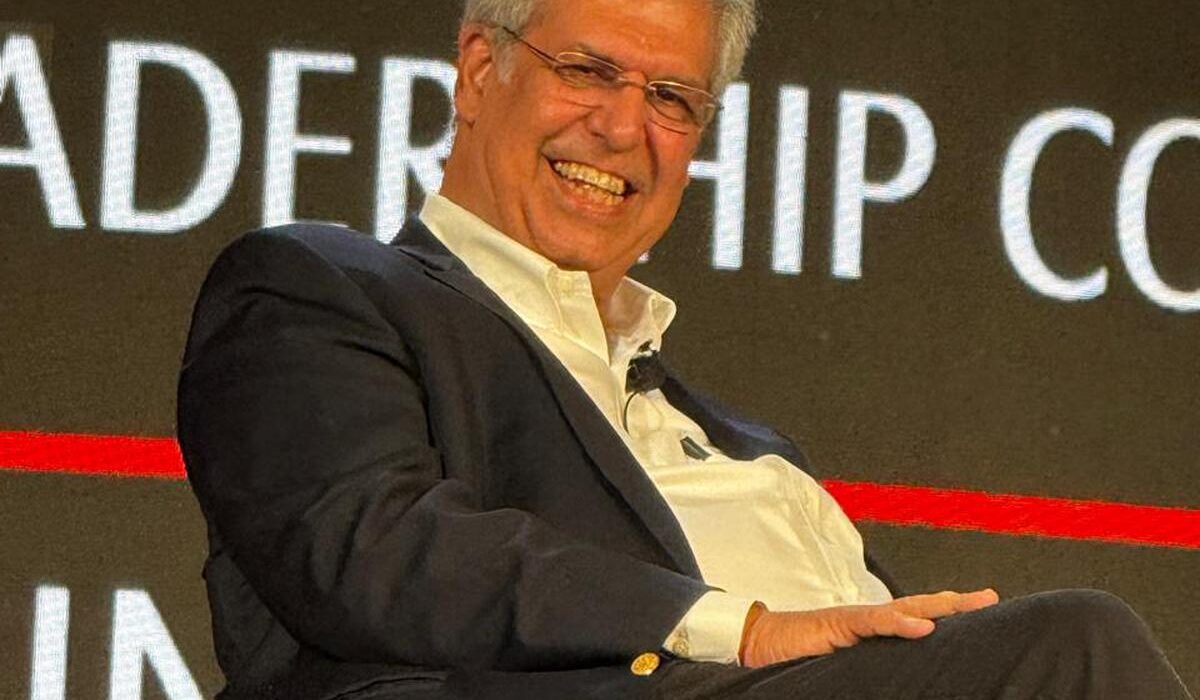
In a statement made on Sunday, Chairman Noel Tata announced plans for Tata Trusts to establish a system of non-profit, multi-specialty hospitals all over India. The hospitals will implement a cross-subsidy model, which will enable them to use the money they earn from paying patients to pay for treatment for areas that are underserved. Increased availability of high-quality healthcare and the establishment of social institutions that can continue to operate in the future are two overarching goals of the effort.
Along with improving transparency in social spending and expanding access to higher education, healthcare growth is a key component of the changing philanthropic mission of Tata Trusts. Noel Tata announced Sunday at the IIMBue 2026 conference that the Trusts would shift their focus from merely sponsoring programs to building long-term institutions, with an increased focus on quantifiable results.
In order to ensure their continued financial viability, the hospitals under consideration will function as non-profit organisations. A tiny percentage of patients would be able to pay market prices for private rooms and extra facilities, according to Tata, and the model would make use of government-supported health insurance systems. While keeping the quality of doctors, medications, operating rooms, and clinical care consistent for everyone, the majority of patients would have their treatment subsidised by the revenue earned.
Sites for the future institutions are presently being considered by the Trusts. The development is an extension of the cancer care hospitals that have previously been constructed in Assam through the cooperation between Tata Trusts and the state government. Tata stated that the company is currently investigating the possibility of constructing forty to fifty general hospitals nationwide.
Using the Indian Institute of Science, Tata Institute of Fundamental Research, and Tata Memorial Hospital as examples of organisations established by the group’s founders, Tata stated that the Trusts plan to return to their historical emphasis on institution development. According to him, the Trusts will be allocating more of their funds in the future to create comparable long-term institutions.
Additionally, he hinted at a change in the Trusts’ evaluation practices for charitable programs, stating that the organization would be looking for more precise measures to gauge their social impact. For the Trusts to stop making vague assertions about how many lives they have “touched,” they need concrete metrics for the changes and improvements brought about by their programs.
Education was also named as one of Tata’s primary investment areas, along alongside healthcare. He made the comment that India requires many more prestigious universities in order to stem the tide of students seeking higher education abroad, alluding to the collaboration between Tata Trusts and IIM Bangalore to launch an undergraduate program.
Citing the high number of faculty members of Indian descent teaching at top global universities, Tata stated that India has enough academic expertise. The difficulty, he continued, is in creating systems that can bring in and keep such talent in the nation.
In discussing the wider purpose of the Trusts, Tata reaffirmed the original intent of the founders: that companies should exist to benefit the people of India and raise living standards. His move from corporate leadership to philanthropy, he said, was a change from amassing riches to wisely investing it, with an eye toward building enduring national institutions.
Image : The Hindu