


A quick shift towards cleaner fuel use was signalled by the issue of more than 3.5 lakh PNG connections for cooking in the first three weeks of March, according to the Indian government.
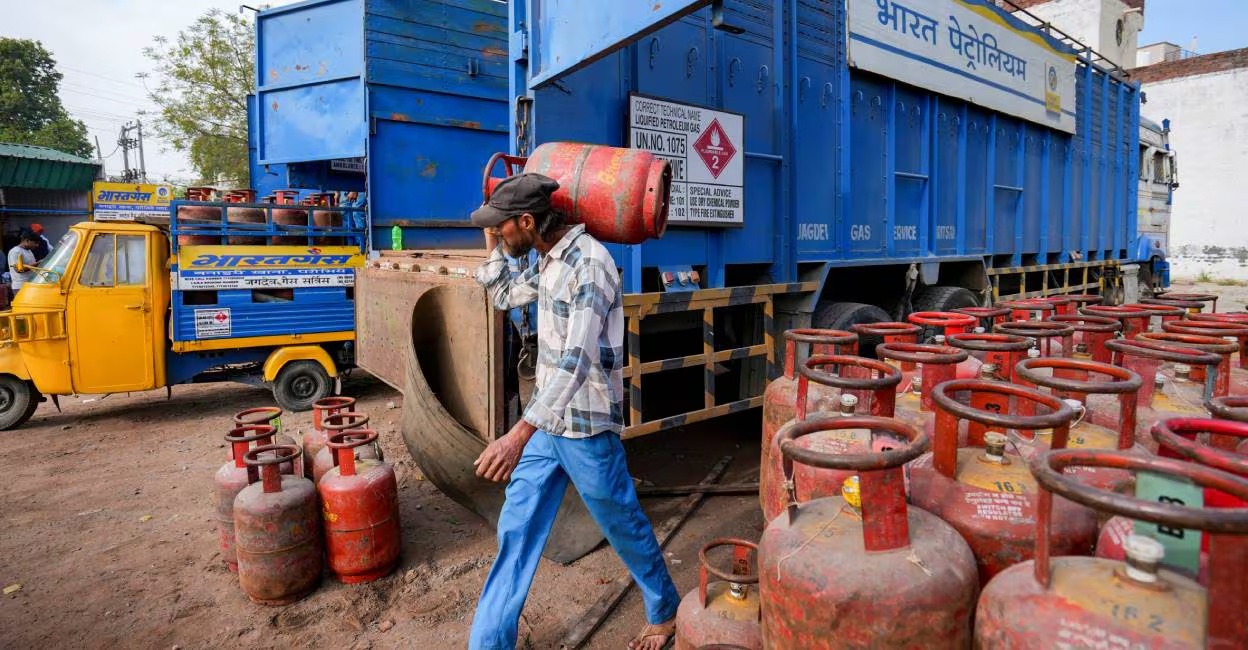
The Ministry of Petroleum and Natural Gas has issued a statement stating that domestic LPG cylinder deliveries are proceeding normally, adding that, despite persistent geopolitical tensions, panic bookings have dropped dramatically. Oil marketing organisations have not received any reports of fuel “dry-outs” at their distributorships or retail locations.
In an effort to bring supply and demand in line, the government has reinstated 20% of the commercial LPG supply and suggested allocating an extra 10% to the states and union territories, with the proposal being tied to measures aimed at making it easier for businesses to expand PNG. There has been an increase in domestic LPG production as well, with refineries running at full capacity and retaining sufficient crude, petrol and diesel supplies.
Domestic PNG users and CNG transporters will continue to receive 100% supply as per the established priority allocation, while industrial and commercial consumers are now receiving approximately 80% of their typical supply.
Indraprastha Gas Limited, Mahanagar Gas Limited, GAIL Gas Limited, and Bharat Petroleum Corporation Limited are among the City Gas Distribution (CGD) providers that have been instructed to provide incentives to commercial businesses that switch from LPG to PNG as quickly as possible.
The federal government is presently reviewing plans to encourage the use of PNG in Rajasthan and Madhya Pradesh, and it has asked all states and union territories to expedite the approval process for the expansion of CGD networks.
In addition, the administration has requested that the relevant ministries determine the demand for PNG in all government agencies, designate people to oversee implementation, and speed up the approval process for CGD infrastructure projects.
The steps are part of a larger plan to lessen reliance on LPG, increase use of cleaner fuels, and fortify energy resilience in the face of changing global uncertainties.