


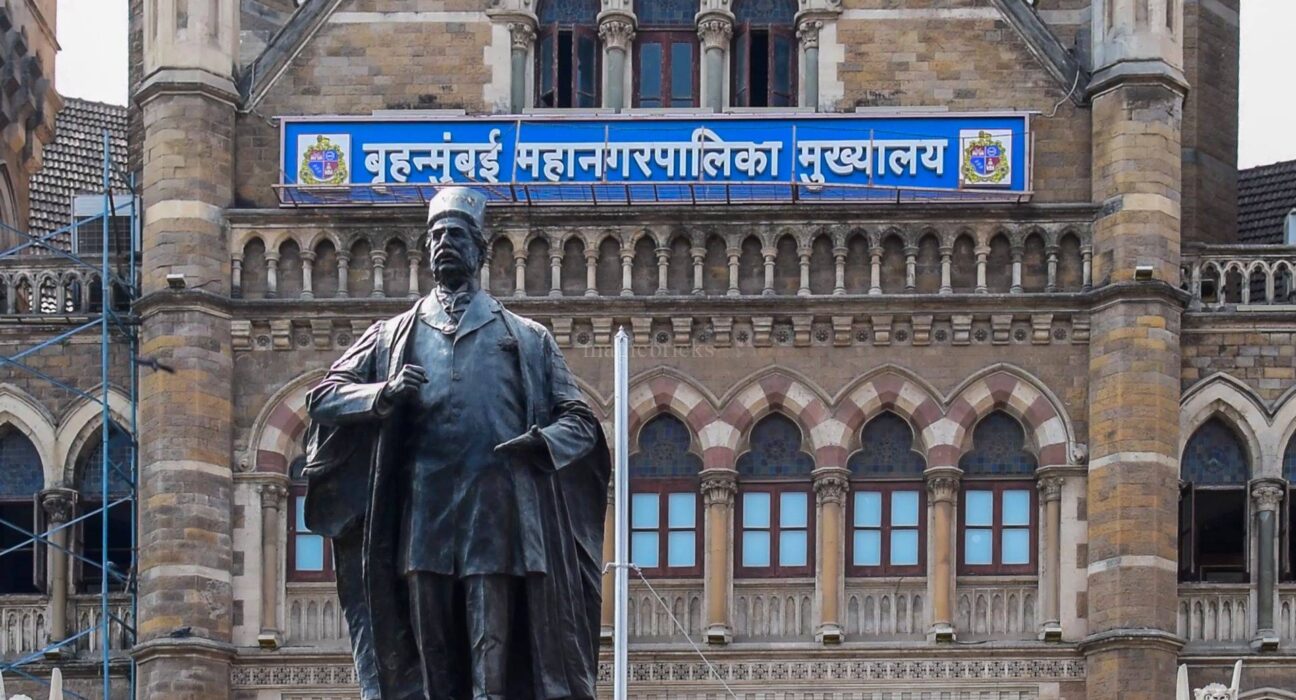
Under India’s Access and Benefit Sharing (ABS) system, which is run by the Maharashtra State Biodiversity Board, the National Biodiversity Authority (NBA) has given Rs 17 lakh to the Biodiversity Management Committee (BMC) of the Brihanmumbai Municipal Corporation (BMC).
The payment is associated with the commercial usage of Bacillus genus soil microorganisms, which have been used to create probiotic goods with added value. By guaranteeing that a share of commercial revenues is reinvested in local communities for development projects, this strategy successfully connects contemporary biotechnology with biodiversity conservation.
Microorganisms are becoming increasingly important in the biotechnology industry, according to the NBA, and they contribute about Rs 10 crore to the national ABS fund. The applications, which include industrial biotechnology, healthcare, and agriculture, demonstrate how important microbial biodiversity is to India’s innovation ecosystem.
After Andhra Pradesh, Maharashtra is the state that receives the most ABS disbursements. With this most recent announcement, the overall amount of ABS support given to Maharashtra has increased to around Rs 8 crore, helping seven institutions and more than 200 Biodiversity Management Committees throughout the state.
The Biological Diversity Act, 2002 and India’s obligations under the Kunming-Montreal Global Biodiversity Framework have been effectively implemented, as evidenced by the cumulative ABS payouts at the national level, which have exceeded Rs 144.37 crore (USD 16 million). National Biodiversity Targets 13 and 19—which emphasise equitable benefit sharing, sustainable resource use, community empowerment, and livelihood enhancement—are supported by these initiatives.
The ABS framework supports the Sustainable Development Goals (SDGs) in addition to encouraging local development. India’s strategy, which combines biodiversity protection with equitable economic growth, reaffirms its leadership in implementing the Nagoya Protocol and the Convention on Biological Diversity.
This payout serves as an example of how to connect biodiversity to business and community well-being, guaranteeing that the advantages of India’s biological resources are distributed equitably and sustainably.