

In light of worldwide shipments being disrupted due to the Middle Eastern war, the central government has used provisions in the Essential Commodities Act to prioritise the supply of natural gas for critical sectors.
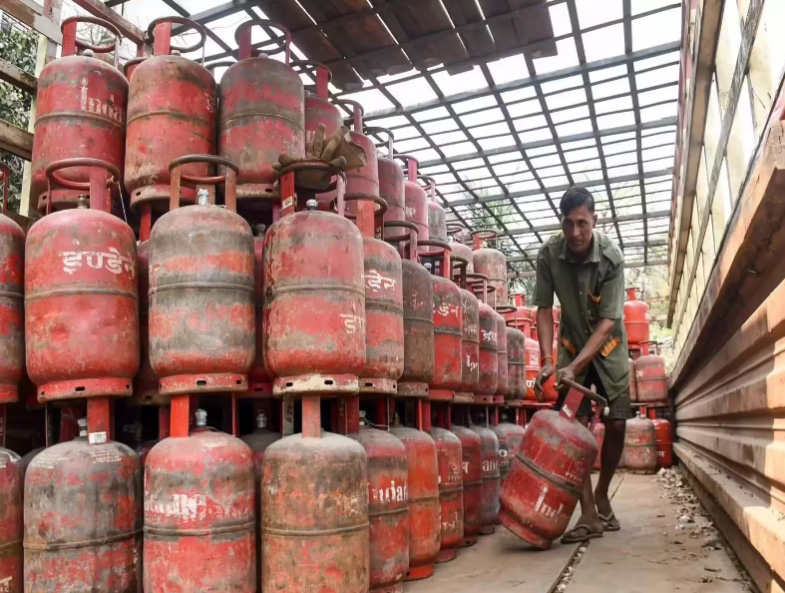
As per Tuesday’s directive, the government will prioritise the manufacture of LPG, the uninterrupted supply of compressed natural gas (CNG) for transportation, and piped natural gas (PNG) for homes.
A number of suppliers have invoked force majeure agreements, leading the government to reallocate natural gas supplies to key sectors after authorities determined that the continuing fighting had affected liquefied natural gas shipments via the Strait of Hormuz.
In accordance with the order, priority industries will, subject to operational availability, receive up to one hundred percent of their average natural gas usage over the previous six months. All the fuel needed for pipeline operations, as well as CNG for transportation, LPG manufacture, and domestic PNG supply, is covered by the allocation.
In addition, the government has directed petrochemical and refinery enterprises to maximise LPG output and redirect important hydrocarbon streams to the LPG supply pool.
Priority Sector 2 fertiliser facilities will continue to receive natural gas at a rate no lower than 70% of their six-month average usage, with the gas going directly into the making of fertiliser. The Petroleum Planning and Analysis Cell will receive compliance certificates from the Ministry of Fertiliser.
In addition, gas marketing firms are directed to make sure that industries like tea processing and manufacturing obtain 80% of their average use from the preceding six months from the national gas grid, as long as the gas is available.
In order to keep disruptions to a minimum, it has been requested that city gas distribution firms keep industrial and commercial users linked to their networks supplied 80% of the time.
With global energy markets experiencing instability owing to geopolitical tensions impacting critical energy transit routes, the move is an attempt to stabilise energy supplies and safeguard vital sectors.