


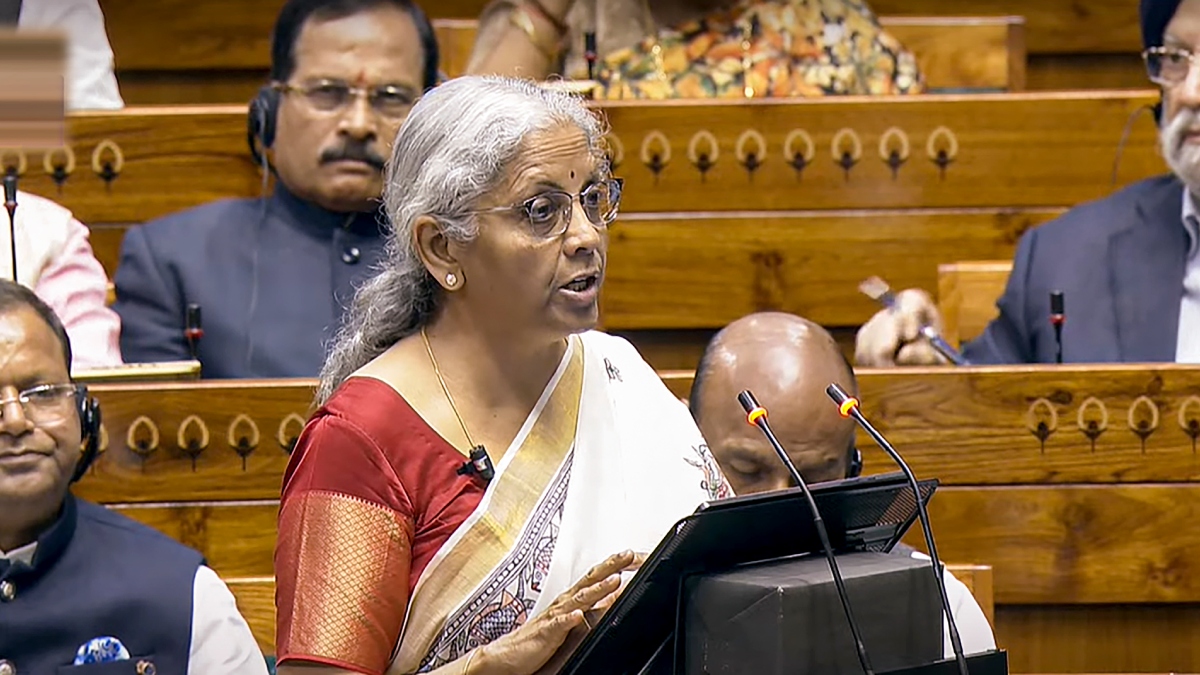
One of the most important steps in putting the government’s fiscal and regulatory strategy for 2026-27 into action will be taken by Union Finance Minister Nirmala Sitharaman when she tables the Finance Bill, 2026 and the Corporate Laws (Amendment) Bill, 2026 in the Parliament of India.
It is anticipated that Sitharaman will present the Finance Bill, 2026 to the Lok Sabha for review and eventual approval, with the goal of implementing the central government’s proposed budget for the next fiscal year.
Also, in an effort to make things easier for businesses, improve corporate governance, and make things more compliant, the Corporate Laws (Amendment) Bill, 2026 suggests revising the Limited Liability Partnership Act of 2008 and the Companies Act of 2013.
At the same time, an IBC Amendment Bill can be introduced during the current session since the Union Cabinet approved changes to the Insolvency and Bankruptcy Code earlier this month.
The report from the legislative committee headed by Baijayant Panda, which was due in December 2025, is the basis for the planned bankruptcy amendments. Stricter deadlines and more authority for the Committee of Creditors (CoC) have been prioritised by the panel as means to expedite the resolution of stressed assets.
up addition to structural improvements to fill up the holes in the present system, important ideas include a framework for cross-border insolvency to handle cases involving foreign assets and creditors.
With this legislative drive, the Indian government is showing its intent to improve corporate governance, speed up resolution processes, and fortify the country’s financial architecture in order to spur economic growth.