

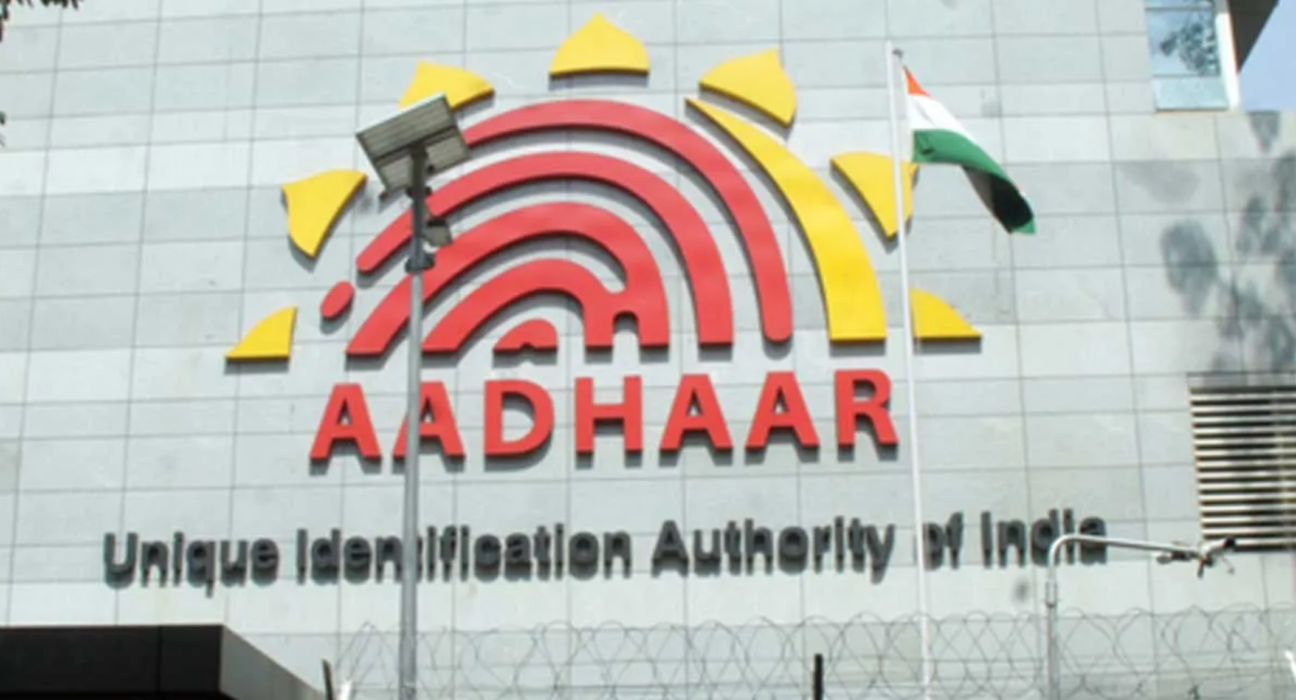
India’s adoption of Aadhaar-linked digital payments and biometric authentication has resulted in a significant reduction of welfare leakage by approximately 12.7%, according to a report by Boston Consulting Group (BCG).
The global distribution of over $21 trillion in public payments annually sees about $3 trillion lost due to fraud, error, or inefficiency. In India, biometric systems have improved the delivery of essential services like food rations, pensions, and subsidies, enhancing the efficiency of welfare programs while minimizing reliance on intermediaries.
The World Bank estimates potential annual savings of up to $10 billion for India by mitigating fraudulent claims and duplicate identities. Notable successes have been observed in states like Andhra Pradesh, Jharkhand, and Rajasthan, which have reported enhanced service delivery without excluding legitimate beneficiaries.
BCG’s India leader, Mario Gonsalves, emphasized that India’s robust digital infrastructure in public services promotes integrity and efficiency in expenditure. The government has allocated over Rs 3.7 lakh crore directly to 11 crore farmer families under the PM Kisan Samman Nidhi scheme.
The integration of Public Financial Management System (PFMS) with digital payment frameworks has ensured efficient subsidy distribution, thereby curbing leakages and reducing duplication of benefits. Additionally, digital revenue generation tools have enhanced the tax base and reduced evasion, strengthening fiscal balance without raising tax rates.
Source – sarkaritel.com
For more news visit our site: Click here